Instruments a caregiver can lift and use, and the discipline that keeps an instrument from becoming the encounter.
B.1 How to use this appendix
Chapter 6 argues that assessment in spiritual care goes wrong not in its instruments but in the intent that governs them, and it renames the properly governed activity discernment (viveka). That argument is made there and is not repeated here. What is here is the other half: the tables a caregiver can take to a bedside, a wing or a supervision hour without reading the chapter first.
Three cautions before any of it is used.
The first is that none of these tables is a form. A form is filled in and filed; these are meant to be worked through and then set down. If you find yourself completing Table B.5 in the presence of the person rather than after leaving them, the instrument has captured the encounter, which is precisely the failure Chapter 6 diagnoses.
The second is that the published instruments in Table B.2 are not competitors to the instruments in Tables B.3 to B.6, and nothing here asks a caregiver to abandon a tool their service requires. FICA, HOPE and the 7x7 do work that the Integrative reading needs done, and they do it faster than anything in this book. What Table B.2 offers is a reading of what each is for, so that a caregiver knows which one to reach for and what it will not have told them.
The third is the non-imposition rule, which governs this appendix as it governs the book. Nothing here licenses a caregiver to introduce a tradition, a practice or a vocabulary that a person has not reached for. An instrument that surfaces a person's own frame is doing its work; an instrument that supplies one is doing the caregiver's.
B.2 What an assessment sums, and what a discernment aligns
The book's central distinction is small to state and easy to lose in practice. A standard reading sums: it gathers what the person presents across the assessor's domains and aggregates the readings into a profile. An Integrative reading aligns: it relates what the person presents toward the coherent view that the person is themselves reaching for. Both attend carefully. They differ in the direction of the movement, and therefore in what counts as having finished.
Table B.1 is that difference made checkable at six points in an ordinary encounter. The two readings of one encounter are drawn side by side at Figure B.2, where the difference is visible as what the arrows do. It is the table to read when an assessment feels complete and unsatisfying.
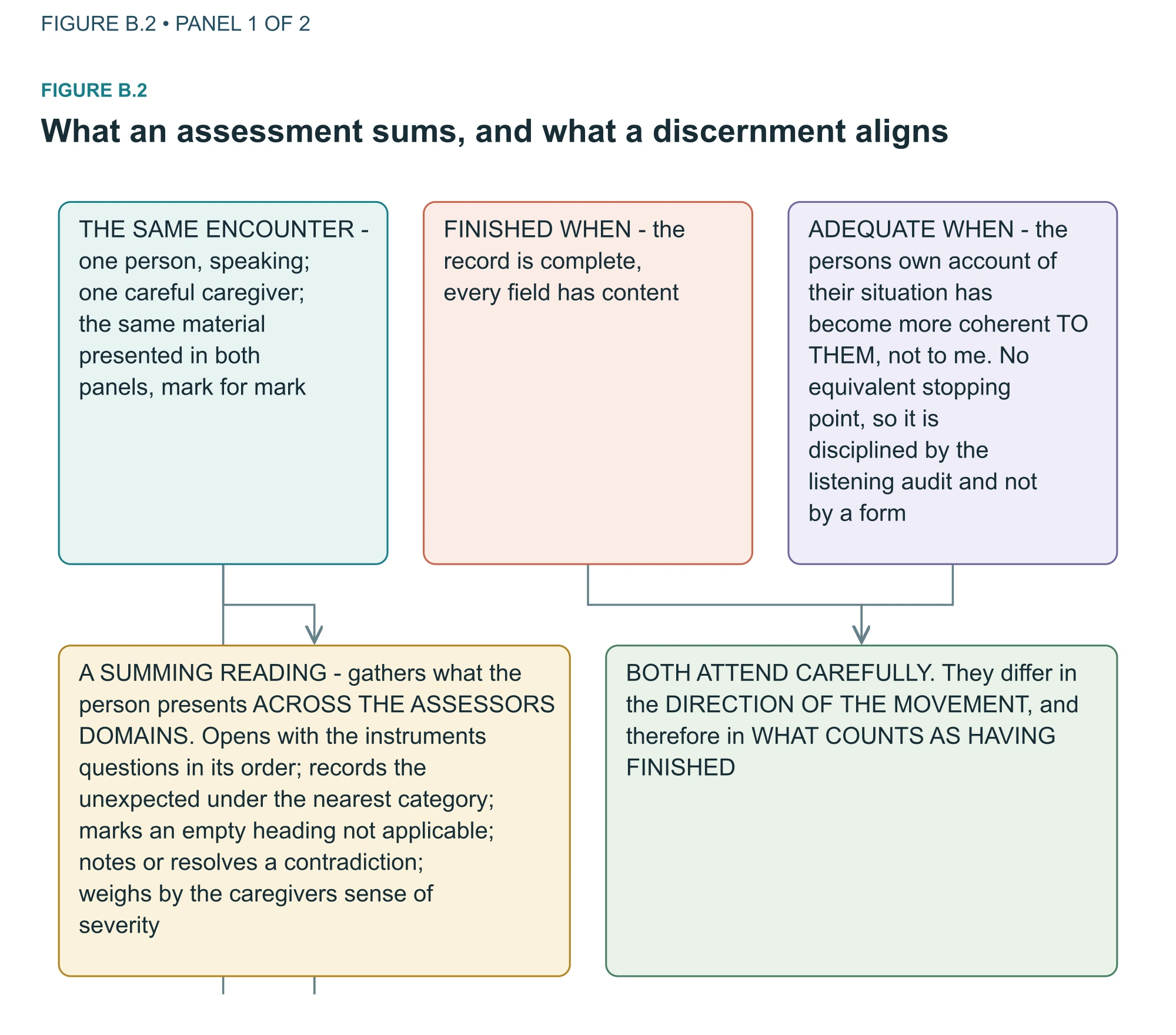
Figure B.2. What an assessment sums, and what a discernment aligns. Panel 1 of 2.
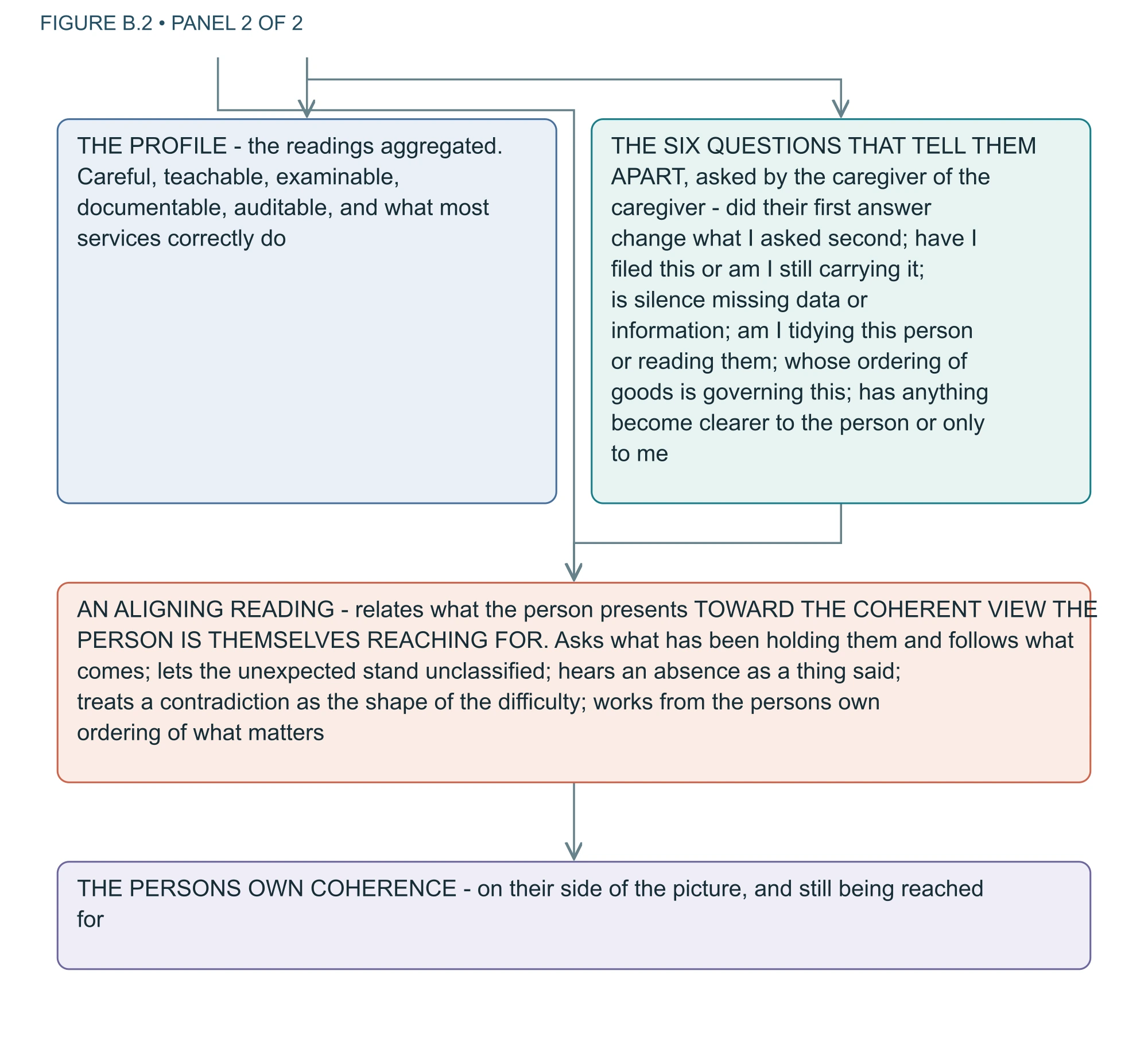
Figure B.2. What an assessment sums, and what a discernment aligns. Panel 2 of 2.
Table B.1. Summation and alignment: the same encounter read two ways.
At this point in the encounter | A summing reading does this | An aligning reading does this | The question that tells them apart |
|---|---|---|---|
Opening the conversation | Asks the questions the instrument specifies, in its order | Asks what has been holding the person, and follows what comes | Did the person's first answer change what I asked second? |
Hearing something unexpected | Records it under the nearest available category | Lets it stand unclassified until its place in this life is clearer | Have I filed this, or am I still carrying it? |
Hearing nothing under a heading | Marks the domain absent or not applicable | Notices the absence as itself a thing said, and holds it | Am I treating silence as missing data or as information? |
Something the person says contradicts something else they said | Notes both, or resolves toward the more plausible | Treats the contradiction as the shape of the difficulty, not an error in reporting | Am I tidying this person, or reading them? |
Deciding what matters most | Weighs the domains by the caregiver's professional sense of severity | Surfaces the person's own ordering of what matters, and works from that | Whose ordering of goods is governing this reading? |
Ending | The record is complete when every field has content | The reading is adequate when the person's own account of their situation has become more coherent to them, not to me | Has anything become clearer to the person, or only to me? |
The last row is the one that carries the distinction. A summed assessment is finished when the instrument is full. An aligned reading has no equivalent stopping point, which is why it is disciplined by the audit at B.5 rather than by a form.
B.3 The field's instruments, and what each is good for
Chapter 6 reads the canon of spiritual assessment instruments closely and takes something from each. The recovery is genuine and Table B.2 records it in the form a working caregiver needs: what to reach for, when, and what will still be missing when it is done.
Two things the table assumes. The first is the screening / history / assessment ordering, which the field settled at the 2009 consensus conference (Puchalski et al. 2009; Fitchett 2002) and which distinguishes asking whether there is a concern warranting referral, gathering the person's spiritual story as care opens, and the in-depth interpretive work of a trained chaplain. The second is that a brief instrument's shortness is its virtue and not its defect. FICA earns its place because it makes the spiritual sayable in the sixty-second window a ward round allows, and criticising it for not doing more is criticising a door for not being a room.
Table B.2. Choosing among the published spiritual assessment instruments: what each is for, and what it leaves.
Instrument | Reach for it when | What it does well | What it will not have told you |
|---|---|---|---|
FICA (Puchalski 2001; Puchalski et al. 2009) | You have sixty seconds, in a clinical encounter not organised around this | Opens the subject and creates a record: faith and belief, the importance the person gives it, community, and how care should address it | Whether the four answers hang together, or what the person is actually reaching for |
HOPE (Anandarajah and Hight 2001) | As FICA, and where the person may have no religious affiliation to name | Moves from sources of hope through organised religion and personal practice to effects on clinical decisions, so it reaches the non-religious without asking them to translate | The same: it takes a history, it does not read one |
Fitchett's 7x7 (Fitchett 2002) | You have time, training and a person whose situation is not resolving | Sets seven functional dimensions against seven biopsychosocial ones, refusing to let the spiritual float free of the embodied and social life it is lived in. The most self-aware instrument in the canon | Its readings are finally aggregated into a profile, so it sums with unusual care rather than aligning |
Pruyser's theological categories (Pruyser 1976) | You want the field's own founding protest against borrowed medical language | Restores a vocabulary proper to the work: awareness of the holy, providence, faith, grace and gratefulness, repentance, communion, vocation | It remains a grid laid over the person in advance, theologically apt and no less fixed for that |
RCOPE and the religious-coping literature (Pargament 2007) | The person's faith appears to be costing them something | Establishes that the spiritual is not only a resource to inventory but a site of conflict, doubt and rupture | Which of this person's struggles is the live one now |
The VGVZ professional standard (VGVZ 2016) | You are describing, teaching or auditing the role rather than meeting a person | A genuine competency architecture, teachable, examinable and auditable: four dimensions (existential, spiritual, ethical, aesthetic), three levels (micro, meso, macro), six roles (companion, representative, ritual leader, educator, advisor, coordinator) | Nothing about direction. It audits capacities, which is what a standard should do, and the intent that governs their use is not among them |
The Discernment Ladder (Table B.3) | After any of the above, to locate what has actually been done | Names the rung the encounter reached, and so shows where an assessment stopped at filling a tool | It locates; it does not conduct. The conducting is at B.4 and B.5 |
A note on the last two rows, because a reader may hear a criticism that is not intended. The VGVZ standard is not deficient for auditing capacities rather than direction; auditing capacities is what a professional standard is for, and the book's argument is that direction needs a different operation, not a longer list. Adding a seventh role would be the mistake.
B.4 The Discernment Ladder
The ladder has four rungs and one diagnostic use: for any encounter, find the highest rung actually reached. Its value is that a caregiver who believes they have assessed a person will often find, on running it, that they took a history and stopped. Figure B.1 draws the four rungs with the level of knowing each sits at, the break above the third that no instrument crosses, and the two tests each rung carries.
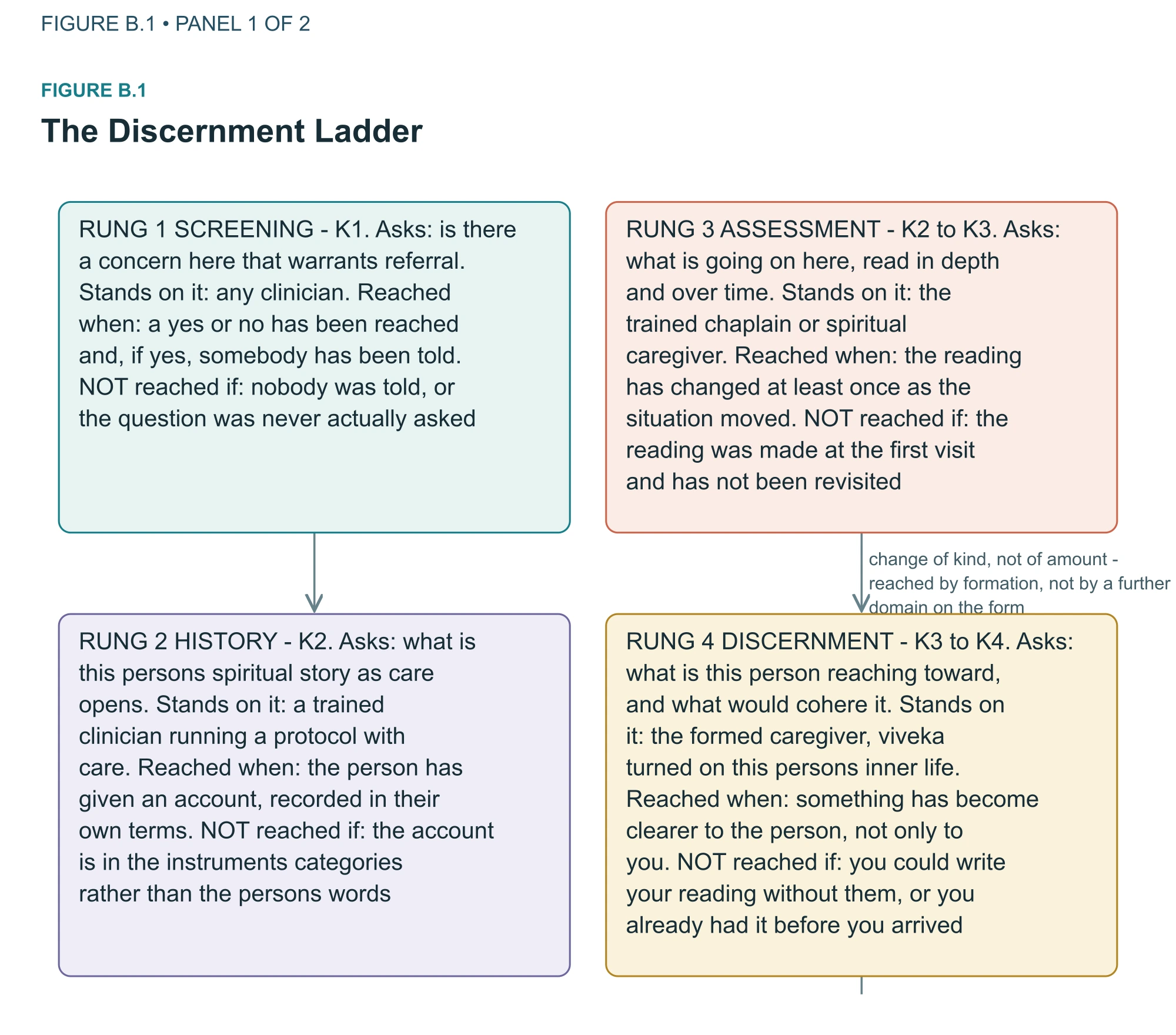
Figure B.1. The Discernment Ladder. Panel 1 of 2.
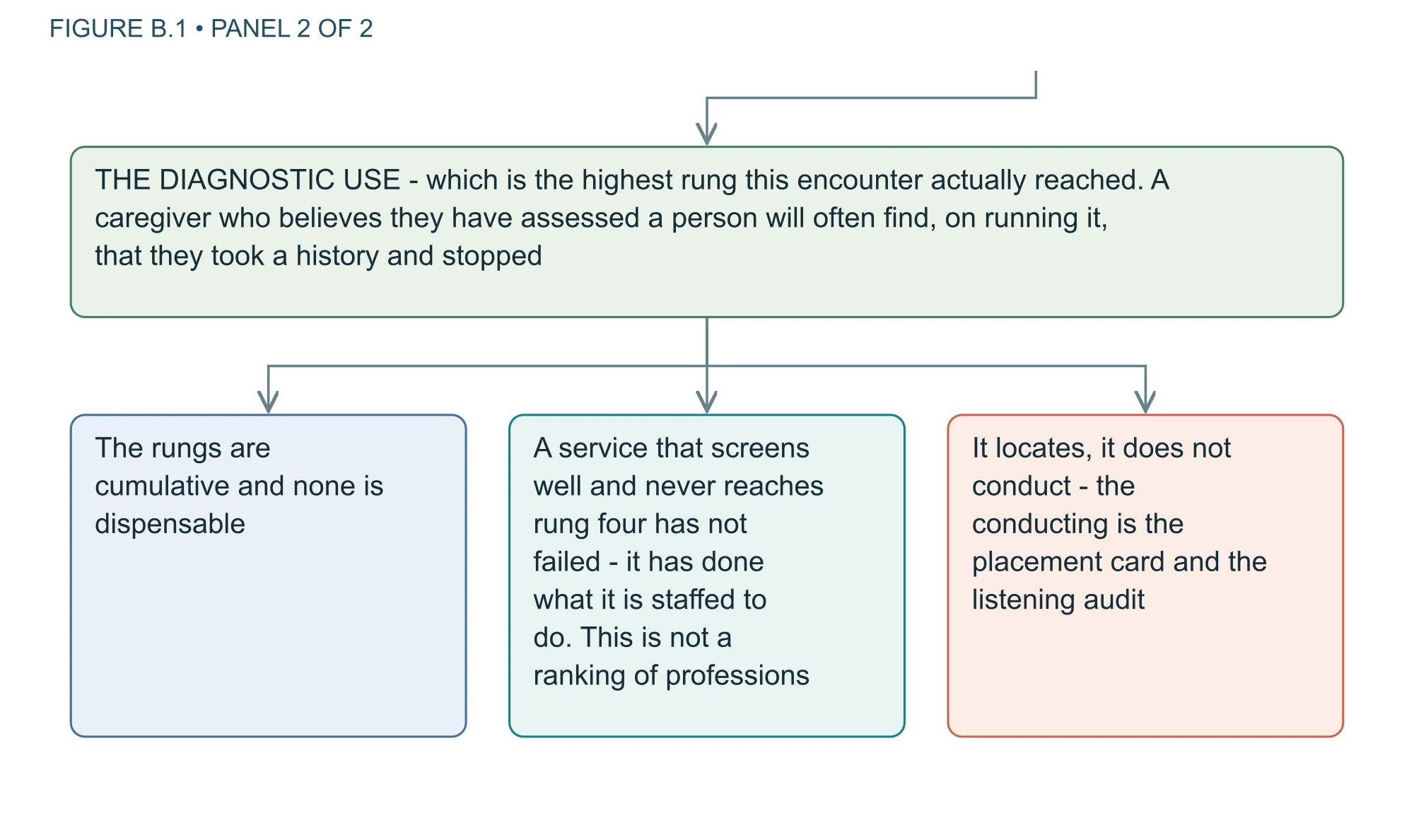
Figure B.1. The Discernment Ladder. Panel 2 of 2.
Table B.3. The Discernment Ladder: the four rungs, who stands on each, and what each cannot do.
Rung | Level of knowing | What it asks | Who stands on it | You have reached it when | You have not reached it if |
|---|---|---|---|---|---|
1. Screening | K1 | Is there a concern here that warrants referral? | Any clinician | A yes or no has been reached and, if yes, someone has been told | Nobody was told, or the question was never actually asked |
2. History | K2 | What is this person's spiritual story, as care opens? | A trained clinician running a protocol with care | The person has given an account and it is recorded in their own terms | The account is in the instrument's categories rather than the person's words |
3. Assessment | K2-K3 | What is going on here, read in depth and over time? | The trained chaplain or spiritual caregiver | The reading has changed at least once as the situation moved | The reading was made at the first visit and has not been revisited |
4. Discernment | K3-K4 | What is this person reaching toward, and what would cohere it? | The formed caregiver, viveka turned on this person's inner life | Something has become clearer to the person, not only to you | You could write your reading without them, or you already had it before you arrived |
The second column carries the levels of knowing as Chapter 6 sets them, in bare tokens: K1 to K4 are set out in Chapter 4 and are not glossed here or in the drawn figure. The rungs are cumulative and none is dispensable. A service that screens well and never reaches rung four has not failed; it has done what it is staffed to do. A caregiver who believes they are working at rung four while producing rung two records has a problem the ladder exists to surface.
Chapter 6's third movement (§3) adds a second office to discernment, which it calls placement: deciding what a caregiver holds and what is held by somebody else. The doctrine is stated there and Table B.4 renders it as a decision aid. Its central and easily lost point is in steps 3 and 4. A thread given to another is not discarded. It is held elsewhere and kept related (step 3), and what stays with the caregiver (step 4) is the one thing no other holder's remit contains, which is the coherence among the holders.
Table B.4. The placement card: deciding what you hold and what is held elsewhere.
Step | Ask | A good answer looks like | The failure it prevents |
|---|---|---|---|
1. Name the thread | What exactly is this - not what task does it generate, but what strand of this person's life is it? | "His fear that his sons will not perform the rites" | Placing a task and losing the thread it came from |
2. Find the holder | Whose remit actually contains this thread? | A named person or service, not a profession in the abstract | Referral to a category, which is how threads are dropped |
3. Keep the relation | How will I know what happens to it, and how does the person know it has not been discarded? | A stated route back, and the person told in terms they accept | The person experiencing referral as dismissal |
4. Keep what nobody else can hold | What is left with me? | The coherence among the holders - how the medical, the familial, the legal and the spiritual are bearing on each other in this one life | Everyone holding a competent part and nobody holding the person |
5. Check the direction | Am I placing this laterally, or am I placing myself at the top of it? | The criterion is this person's emerging coherence | Placement done by professional jurisdiction rather than by the person's need |
6. Name the excess | Where the constellation is absent or not coordinating, what am I holding that I should not have to? | An explicit list, treated as a limit met | Carrying an unsustainable load and calling it competence |
Step 6 is the one to hold on to in an understaffed service. Where there is nobody to place a thread with, the caregiver will hold more than the doctrine would ideally allow. The discipline then is to know that one is doing so, and to treat the excess as a limit met rather than a competence displayed.
B.5 The viveka-disciplined listening audit
This is the instrument that disciplines an aligning reading, and it is run by the caregiver on themselves after the encounter has ended. It is short on purpose. It should take four or five minutes and it should be uncomfortable at least sometimes; an audit that never finds anything is not being run honestly.
Chapter 6 develops five interrogations, and they are given here in the order the chapter's own argument puts them, with the quietest first because it governs the rest.
Table B.5. The listening audit: five interrogations to run after an encounter.
# | The interrogation | What you are looking for | If the answer is uncomfortable |
|---|---|---|---|
0 | Did I hold this reading as mine to get right, or offer it and let it go? | A reading gripped rather than offered will bend everything below it | Return the reading to the person as a question at the next visit, and mean the question |
1 | Which means of knowing carried the most weight - my own observation (pratyakṣa), my inference (anumāna), or the person's own word (śabda)? | Śabda is sovereign in care. If inference outweighed it, note by how much | Find the place where you inferred and go back and ask |
2 | The neti-neti check: what did my categories make hearable, and what might they, by the same stroke, have truncated or rendered un-hearable? | The thing the person began to say and did not finish | Name the category you were using, and ask the next question without it |
3 | The de-centring check: where did my ahaṁkāra - my agenda, my favoured theology, my need to have helped - enter and colour the reading? | The moment you felt useful, which is often the moment to examine | Distinguish what the person needed from what you needed to have given |
4 | Whose ordering of goods governed the reading - the person's, surfaced, or my own, imposed? | Whether you ever asked what mattered most to them, or assumed it | Ask. It is a single question and it is almost never asked |
Space to write, if this is being used on paper: one line under each row is enough, and a caregiver who needs more than one line has found something worth taking to supervision.
Two things the audit is not. It is not a substitute for supervision, and its self-directed design is a partial answer to the evaluation problem rather than an evasion of accountability - a caregiver's own audit is evidence of a discipline being practised, not evidence that it was practised well. And it is not a scored inventory; there is no total, and constructing one would reintroduce the summation the whole appendix exists to resist.
B.6 Reflective practice and supervision: the Caregiver Formation Triad
Chapter 5 sets out the caregiver's formation as a triad - self-regulation, then care, then transcendence - after Nandram and Joshi (2016), each member with its own discipline and its own test. Chapter 5 states the triad and hands forward what it looks like at the bedside and in supervision. Table B.6 is that handoff discharged.
The table is diagnostic, not developmental. Faced with a caregiver in strain, it asks at which member the formation has stalled, and the answer determines what would help. This matters because the three failures look alike from outside and respond to opposite interventions: a caregiver depleted at the third member does not need more training, and a caregiver fragmented at the second does not need more rest. Figure B.3 draws the three members with their disciplines, their tests and their opposite remedies, entered as a supervisor enters them, from a strain that looks the same whichever member it comes from.
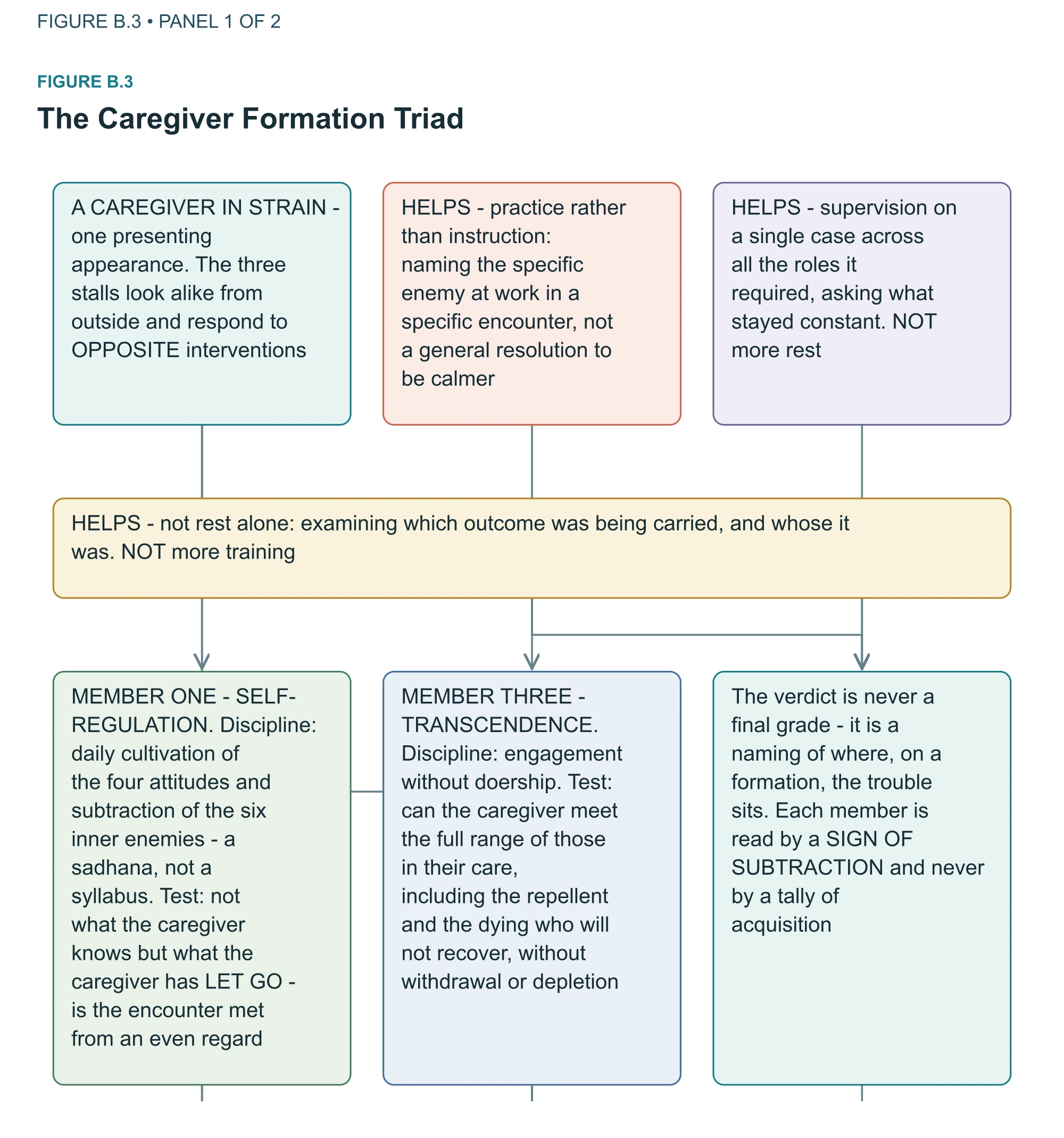
Figure B.3. The Caregiver Formation Triad. Panel 1 of 2.
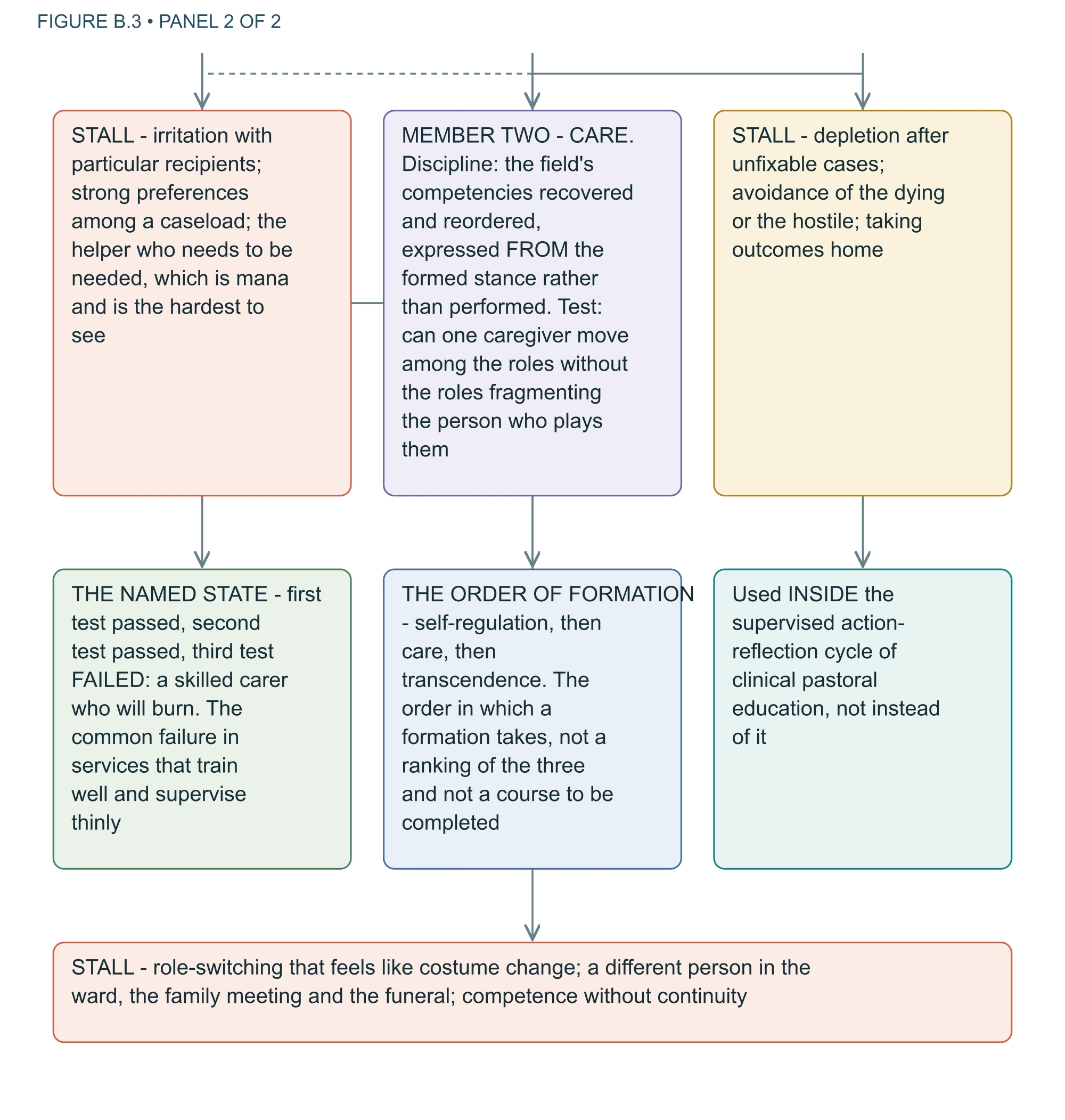
Figure B.3. The Caregiver Formation Triad. Panel 2 of 2.
Table B.6. Where has the formation stalled? A supervision aid.
Member | Its discipline | Its test | What it looks like when it has stalled | What helps |
|---|---|---|---|---|
Self-regulation | Daily cultivation of the four attitudes - maitrī (friendliness) toward the happy, karuṇā (compassion) toward the suffering, muditā (gladness) toward the virtuous, upekṣā (equanimity) toward the non-virtuous (Yogasūtra 1.33) - and the subtraction of the six inner enemies, kāma, krodha, lobha, māna, mada and harṣa | Not what the caregiver knows but what the caregiver has let go: is the encounter met from an even regard? | Irritation with particular recipients; strong preferences among a caseload; the helper who needs to be needed, which is māna and is the hardest to see | Practice rather than instruction. Naming the specific enemy at work in a specific encounter, not a general resolution to be calmer |
Care | The field's inventory of competencies recovered and reordered, and expressed from the formed stance rather than performed | Can one caregiver move among the roles without the roles fragmenting the person who plays them? | Role-switching that feels like costume change; a caregiver who is different people in the ward, the family meeting and the funeral; competence without continuity | Supervision on a single case across all the roles it required, asking what stayed constant |
Transcendence | Engagement without doership (niṣkāma karma; Bhagavadgītā 2.47) | Can the caregiver meet the full range of those in their care - including the repellent, and the dying who will not recover - without either withdrawal or depletion? | Depletion after unfixable cases; avoidance of the dying or the hostile; taking outcomes home | Not rest alone. Examining which outcome was being carried, and whose it was |
The order is not decorative. A formation that passes the first two tests and fails the third has produced a skilled carer who will burn, and this is the common failure in services that train well and supervise thinly.
For the reflective form the field already has, nothing here displaces it. The supervised action-reflection cycle of clinical pastoral education - the caregiver brings a near-verbatim reconstruction of a real encounter to a peer group and a supervisor who attend less to whether the correct intervention was made than to what the encounter disclosed about the caregiver (Boisen 1936) - is the instrument this table is meant to be used inside, not instead of. What the triad adds is a way of naming where, on a formation, the trouble sits, so that a group has something to work on other than the caregiver's general adequacy. Its verdict is never a final grade. It is a naming of where the formation has and has not yet taken.
B.7 SpiCaQuest: gamified practice worked as an example
Chapter 9 puts serious play into the repertoire and declines to settle it, and says why: the literature that would warrant the form is not in this project's archive, and the developers of the one instrument to hand record their own search for it as still open. What the chapter does settle is a two-sided test, handed to this appendix. One side is a credit that comes free with the form: a game is played by the player, and there is no version of a board game in which one person does it to another. The other side is a debit, and it is the harder half:
a game also sets the goal, and a form that sets the goal supplies the direction that the first movement exists to elicit from the person. Any serious-play instrument used in this book's sense therefore has to be built so that what it elicits can override what it was designed to elicit.
A third condition is the debit seen from the player's side: the safety of a frame in which a difficult thing can be approached at one remove is also the safety of a frame in which it need never be approached at all. SpiCaQuest is worked here as an example of the form, not offered as this book's instrument, and it is not reproduced. Its developers include this book's authors, which is a reason to be more exacting rather than less. Chapter 9 says of this book's own practice sequence that it has not been used in the field; the same register applies here.
B.7.1 What the game is
SpiCaQuest is a board game for spiritual-care formation, developed at the Vrije Universiteit Amsterdam under the Chair of Hindu Spirituality and Society with two student collaborators. Two to three teams of two to three players move along a ladder-and-snake track, in the form of the traditional Indian ascent boards the developers used as reference, laid over the seven cakras (subtle energy centres) from Mūlādhāra (root) to Sahasrāra (crown). The manual gives one to two hours. There are two dice: an ordinary movement die, and a perspective die whose six coloured faces carry the darśanas, the classical viewpoints, from which a case must be read - Nyāya-Vaiśeṣika (logic and atomistic realism, taken together), Sāṃkhya (consciousness enumerated apart from nature), Yoga, Mīmāṁsā (ritual and duty), Vedānta (the self and the absolute), and Buddhism. The corrected card set reads differently: Sāṃkhya and Yoga are fused, and the sixth face becomes a perspective of the player's own choosing. The rule documents also disagree on the value of a cakra card and the number of teams. The divergence is worth stating, and the free face matters below.
Cards come in seven decks, set out in Table B.7. Three facts about them belong here. The Cases deck holds twenty-eight constructed vignettes, ages eight to ninety, scaffolded seven apiece across the four āśramas or classical life stages, each with six fields: name and age, family position, support focus, a short description, and the person's own question in the first person - Helen, eighty, asks what remains constant in her as her memory changes. They are composite and fictional rather than case records, and the developers' working document shows them generated to a prompt and then edited. The Exercise deck gives one embodied practice per cakra, each tied to a yama, niyama or aṅga of the eightfold path, from tāḍāsana with breath awareness at the root through baddha koṇāsana, nāvāsana with kapālabhāti, sukhāsana with breath, jālandhara bandha and trāṭaka to silent sitting at the crown. The Wisdom deck carries fifteen subhāṣitas, well-spoken verses, three from each of the five sections of an anthology of about a hundred and eighty compiled by Gururaj Mutalik and BVK Sastry.
Scoring is by card: a case two points, a question, challenge and exercise one each, a cakra card three, a wisdom card five. The manual's rule is a single sentence, that total points are the sum of all collected cards. The game ends when a team reaches Sahasrāra, and the highest total wins. A Game Host, outside the teams, evaluates answers against answer sheets, keeps time and awards points; standard tasks are capped at one minute, a case at two minutes of thinking and five in total.
Two components sit outside play. A context sheet codes each case against six settings - prison, hospice, school, higher education, home care and defence - with fields for intervention, faith, situation, age band and gender, and nine caregiving interventions for spiritual reflection, from probing, reflecting and supporting through to assigning, advising and performing. A roles document assigns each team one of six roles across three settings: leader (ādhyātmik netā) and protector (rakhvālā) for the non-formal setting of the family; ritualist and spiritual carer for the formal setting of institutions and government; civic server (sevak) and ethicist (dhārmik) for society.
B.7.2 The components, and what each is for
A game's virtues and its defects are rarely in the same place, so Table B.7 decomposes the instrument. Two of its entries are defects rather than trade-offs. All seven Challenge cards carry an identical call to action - assign one strength to the person next to you and explain why, based on your observation - and their differentiation sits only in value lists the call never uses, so a player who plays all seven has done the same thing seven times. And of the fifteen Wisdom verses only the vidyāṁ cāvidyāṁ ca card is identified, in an editorial note, as Īśā Upaniṣad 11.
Table B.7. The components of SpiCaQuest, what each asks of a player, and the limit of each.
Component | What a player does with it | What it is for in formation | Where it falls short |
|---|---|---|---|
Movement die and board | Rolls and moves along a ladder-and-snake track through the seven cakras | Gives a session ascent, setback and an end, in an indigenous form rather than an imported one | What a player meets next is set by the die, not by need |
Perspective die | Rolls to learn which darśana the case must be read from | Makes a plurality of readings a rule rather than an invitation | Five faces prescribe the frame; only the sixth, in the corrected set, lets the player supply one |
Case cards | Answers a constructed person's own first-person question from the rolled perspective | Keeps the cared-for's words on the table: the query, not a diagnosis, is what must be answered | Fictional and prompt-generated; facilitators recorded some as superficial, with no clear issue and no spiritual dimension |
Question cards | Answers a multiple-choice question against an answer sheet | Fixes shared vocabulary quickly and gives a team early traction | Right-or-wrong is the one epistemology a formation instrument should be slowest to teach about care |
Challenge cards | Names one strength in the player sitting next to them, with a reason | Turns attention onto a live person in the room | All seven cards are identical, the cakra values beside them unused, and the task points at a neighbour, never at the player |
Exercise cards | Performs one embodied practice per cakra, tied to a yama, niyama or aṅga | Puts the body in the session, so practices discussed are also practices done | No card says why the practice is done or asks anything after it |
Wisdom cards | Earns and may read aloud a subhāṣita | Rewards sustained progress with something worth carrying away | Fourteen of fifteen verses are unattributed, and the highest-value card is the one nobody had to answer for |
Statement cards | Rates agreement, one to seven, with statements about dimensions of spiritual reality | The only component that turns the instrument on the player's own orientation | Unscored, undebriefed and joined to nothing else in play; the manual names three categories where the set has four |
Chakra cards and trackers | Collects a card on first reaching each level | Makes the ascent visible and shared | Awarded for arriving first, so they measure speed; the rule documents disagree on their value |
The roles | Plays in an assigned role, then receives a role at the end by score band | Names distinct kinds of contribution rather than one ideal carer | Awarded by points, top to bottom, under a disclaimer that this implies no superiority; the explanatory sections are empty in the source |
The Game Host | Submits answers to a person outside the teams who rules on them | Holds time, fairness and the pace of a session that would otherwise stall | Adjudicates against an answer sheet, reintroducing administration where a player's own reading is at stake |
B.7.3 What the Care Trinity reads in it
Chapter 13 runs a case on four terms: the care recipient, the caregiver, the context, and the care relationship, the last being the one the source diagram does not draw (Appendix A, Table A.4). The context sheet is a recognisable operationalisation of the third - six named settings, plus faith, situation, age band and a list of caregiving interventions - which is more contextual specification than most formation exercises carry. The perspective die does something the first term needs: it puts a plurality of readings on one case, so no single frame is the case's meaning, and that is closer to the ekaṁ sat stance the book takes from the tradition, one being spoken of in many ways, than to a summation of viewpoints. The second term is thinner: the game asks what a player would say, and almost nothing about what the player brings or must set down. The planning material claims more, calling these components a playable form of the Care Trinity and of the Integrative Care Model. That second claim can now be tested, because the model is stated at Appendix A, section A.2, and its nine peripheral terms are printed at Table A.1. Tested, it half holds. The context sheet's six settings sit squarely in the model's care itself row, and mostly in its formal cell - organised according to protocol, a number of sessions, guidelines - with the institutional cell reached by the faith field and the informal cell reached hardly at all. The recipient row fares better, since faith, situation and age band are attributes of the client. What the game does not have is the model's informal column, and in particular the recipient's informal term, the others in the client's environment whose wellbeing changes along with theirs: no component of the game puts anybody else at the table. So the components are a playable form of one row and one column of the model rather than of the model. That is still a useful thing for a formation exercise to be, and it is a smaller claim than the planning material makes. A further caution about the first term: the Care Trinity's own number is unsettled - four headings in the case chapters, three in the source diagram, set out at Appendix A, Table A.4 - so a claim that a component is a playable form of it inherits that question rather than escaping it.
B.7.4 What the one dataset shows
There is a single feedback dataset, from sessions associated with Copenhagen, with fourteen respondents; the spreadsheet's lower block is a facilitator's notes, not a second set of forms. The fourteen are two sittings, four with form timestamps in late October and November 2025 and ten transcribed from paper forms marked as a July session. One form was only partly completed, so item means rest on twelve to fourteen answers. Scales run one to five.
The strongest item is visual design and materials at 4.36, with nothing below 3. Case realism is 4.15, the reflective elements 4.08, and overall quality, ethical awareness and willingness to recommend all 4.00. Reflection on one's own spiritual values is 3.93, insight into spiritual care as a professional skill and emotional engagement both 3.92, playing again 3.85, structure 3.79, facilitator clarity 3.62. The weakest item by a distance is comprehensibility at 3.07, and it is the only item on which a low score is the most common one: five of the fourteen scored it 2.
The composition of the sample governs everything else. Five students, four academics, two other, two unstated, and one practising spiritual counsellor. Six work in India, and one each in Canada, Colombia, Denmark, France, France and Canada, and the United Kingdom, with two unstated: only one respondent works in Denmark. Seven female, seven male; seven hold a master's degree, five a doctorate, two a bachelor's. On prior spiritual-care training, ten said no and four left it unstated, and not one said yes. This is a sample of interested academics and students, not of practitioners, and no claim about what the game does for spiritual carers can rest on it.
One pattern within those limits is consistent enough to act on. The generic claims score around and above four; the three items measuring the game's tradition-specific claim score roughly half a point lower and carry the only 1s. Understanding of different Hindu philosophical perspectives is 3.50 and bimodal, with four 5s but also three 2s and a 1; support for intercultural or interfaith understanding is 3.58, weakest of all the learning claims; the contribution of the cakras and rituals is 3.69. The honest reading is that the evidence supports the game as engaging and reflective, and does not yet support the claim that it conveys the darśanas.
The free comments point the same way. "The game was too lengthy and time consuming. the instructions could have been clearer." "Too many instructions need to be known before playing. Too much text on the cards (and too small)." One respondent held both halves at once, calling it valuable and "time well spent, not wasted" despite the time it takes. The facilitator's notes ask for the questions to be revised by field experts and not only academics, for the exercise cards to say why they are done, and record of the case deck that some cases were superficial and did not always seem spiritually related.
The instrument built to gather better evidence has two gaps of its own. Its pre and post scripts are a within-subject design, fourteen questions before play and sixteen after, revisiting five existential tensions and re-presenting the same case, on an ars moriendi framing after the Dutch ethicist Carlo Leget, whose aim is innerlijke ruimte, inner space (Leget 2017). Two of the script's five tensions do not match the five in its own appendix: where Leget has trust and anxiety, and saying goodbye, the script has remembering and reframing, and knowing and believing. And it carries no consent, anonymisation, recording, withdrawal or data-handling language, which for a document titled Data Collection is a gap this book should not paper over.
B.7.5 The five tests
Table B.8 runs SpiCaQuest down five tests. The first two are the conditions Chapter 9 sets for any serious-play instrument: that the form is one in which the person acts rather than one administered to them, and that what the instrument elicits can override what it was designed to elicit. The other three - the approach at one remove, scoring and ranking, and the evidential base - are not Chapter 9's and are applied here. The fourth column is the one that is of use to the developers, because every row that is not met says what would settle it.
Table B.8. SpiCaQuest against five tests, of which the first two are the conditions Chapter 9 sets for any serious-play instrument.
The test | What it asks | How SpiCaQuest stands | What would settle it |
|---|---|---|---|
The player acts | Is the form one in which the person does something, rather than one administered to them? | Met by construction, then partly given back: nobody administers a board game, but the Game Host rules on answers against a sheet | An answer sheet that works as a resource rather than a key, with a stated rule that an unlisted answer is assessed on its reasoning |
What it elicits can override what it was designed to elicit | Can the player's own reading beat the instrument's intended one? | Not met by design, and met once by accident. Cases are ruled against a sheet, questions are right or wrong, and a wrong answer costs a turn. The single route by which a player supplies the frame is the corrected die's sixth face: one face in six, and absent from the other rule set | A rule that a reading departing from the sheet may score higher where the player can say why the case required it; and a closing round in which each team names one thing the game got wrong about its case |
The approach at one remove | Does the frame that makes a hard thing approachable also make it permanently avoidable? | Largely unmitigated. Every case belongs to somebody fictional, and nothing in scored play requires a player to speak about their own life. The Challenge deck turns the player toward a neighbour; the Statement cards, the one component asking about the player's own orientation, are unscored and undebriefed | A debrief inside the game rather than after it, revisiting the Statement responses; and one card class at least that cannot be completed without the player answering for themselves |
Scoring and ranking | Does the instrument reward what this book means by care, or what it can count? | Not met, and this is the sharpest finding. The manual's rule is that total points are the sum of all collected cards, so a correct multiple-choice answer, a completed breathing practice and a reading of a dying woman's question convert into one currency and add. Nothing in the scoring turns on whether the answer served the person on the card. The roles document then converts the total into a role by band, top team leader and bottom civic server, under a disclaimer that this implies no superiority - which concedes what the ranking does | Score cases on a stated alignment criterion rather than correctness: did the answer stay with the person's own question and leave their coherence in charge. If a total is kept, keep it off the roles |
The evidential base | Is the warrant for the form held, or assumed? | Openly outstanding, and recorded as such by the developers, whose working memorandum still lists the gamification literature search as to be done; the one dataset is fourteen non-practitioners | The search completed and applied, and a second dataset from carers in service, with the tradition-specific items measured again |
The verdict splits where the chapter predicted, and the scoring row is where it splits hardest: a total is an addition, and alignment has no addend.
B.7.6 A checklist that outlives the example
Most of what this game teaches is not about this game. Table B.9 puts the findings above as questions to ask of any instrument, including one you build.
Table B.9. Choosing or building a serious-play instrument for formation: questions to ask before you use it with a group.
Ask of the instrument | A good answer | A poor answer |
|---|---|---|
Who acts? | Participants do the work and can stop it; the facilitator holds time, not content | A facilitator runs it and participants respond on cue |
Can what it elicits override what it was designed to elicit? | A stated route by which a participant's reading beats the intended one and changes the outcome | An answer key, with any departure from it scored as an error |
Where does the frame let someone hide? | At least one task that cannot be done without the participant answering for themselves | Everything happens to a fictional third party |
What does it reward? | Criteria naming the quality of attention paid to the person cared for | A points total that sums unlike acts into one currency |
Does it rank people, and what does the ranking do next? | No ranking, or one never converted into standing | A leaderboard turned into roles, under a disclaimer that it means nothing |
Can every claim and every case be traced to a source? | Verses, figures and definitions attributed; case provenance stated, whether record-derived and anonymised or constructed, and by whom | Wisdom handed over unattributed because it sounds traditional, and vignettes of unstated origin carrying the authority of records |
Is reflection inside the instrument or after it? | A closing round that is part of play, and a stop rule if something opens the group cannot hold | Reflection left to whatever time remains, and no route out of a deep session |
Is there consent, and what happens to what participants say? | Consent, recording, withdrawal and data handling settled before play begins | An evaluation instrument with no such language in it |
Does the evidence match the people you will use it with, and the time you have? | Feedback from people doing the work it trains for, at a length you can run | Means from interested colleagues, and a duration untested against a working day |
B.7.7 The honest position
What SpiCaQuest demonstrates is that the form works. Fourteen people, most without spiritual-care training, sat for one to two hours with cases, verses, practices and unfamiliar philosophical positions, rated the experience reflective and worth recommending, and asked for more of it in less time. Nobody had to be persuaded to take part, which is what Chapter 9 means by calling that credit automatic.
What it does not yet demonstrate is the thing it was built for. The evidence does not support the claim that the game conveys the darśanas: the three tradition-specific items are the weakest in the set and carry the only lowest scores. It does not meet the condition that what an instrument elicits can override what it was designed to elicit, and its scoring converts unlike acts into a total and the total into rank. The developers record the gamification literature search as still open, so the warrant for the form is outstanding on their account as well as this book's.
Four things would move it: a second evaluation with practising spiritual carers, at the length a working day allows, with the tradition-specific items measured again; a facilitation redesign built against the comprehensibility and length findings rather than around them, since 3.07 is not a presentational problem; an attributed source for every wisdom verse; and a Challenge deck whose seven cards ask seven different things. Until then it is an example of what serious play can be asked to do, and this appendix says so rather than more.
B.8 Limits, and the rule that governs all of it
Three limits, stated plainly, because an appendix of instruments is the place in a book where overclaiming does the most damage.
None of these tools has been evaluated. The Discernment Ladder, the placement card, the listening audit and the formation triad are derived from the book's argument and from the field's own practice, and set out here in the form a practitioner asked for. No caregiver has yet run them in a ward and reported what happened. That is the same position Chapter 9 states about its own practice sequence, and this appendix does not pretend to a better one. What the tables can honestly claim is that they render, in liftable form, distinctions the chapters defend at length; what they cannot claim is that using them improves care, because nobody has looked.
A tool used against the person it was meant to serve is worse than no tool. Every table here can be misused in the same direction: by being completed rather than worked, by being carried into the encounter rather than run after it, and above all by being aggregated. There is no score in this appendix and no total to be reached. If a service adopts these tables and adds a scoring column, it will have converted an alignment instrument into a summation instrument and will get a number that measures its own compliance.
The non-imposition rule stands over everything in this appendix. These instruments are for the caregiver's discipline, not for the recipient's classification. A person may be met, read and served without ever hearing a word of Sanskrit, without the caregiver's tradition being named, and without any of these tables being visible to them. That is not a reduced use of the appendix. It is the intended one.
A last word about the shape of this appendix as a whole. Six of its nine tables discipline the caregiver rather than describe the person, and that proportion is deliberate. The book's diagnosis of assessment is that the instrument became the encounter because nobody was auditing the assessor. The remedy is not a better instrument for reading people. It is a caregiver who knows what their own reading is doing, which is why the audit at B.5 is the shortest table here and the one most worth keeping.