D.0 Before you use this appendix
Nothing in these pages is a prescription, and nobody in this book is qualified to write one.
That is the condition on which the rest is safe to use. A spiritual caregiver who reads an appendix of practices and begins assigning them has changed jobs without noticing. The practices here are offered, declined without consequence, adapted to the person, and abandoned when they do not suit. They are never a route by which a caregiver's own tradition enters a room that did not invite it.
Three rules govern everything below, and they are worth having in mind on every page.
• Offered, never prescribed. A practice put to a person as a recommendation carries the weight of the caregiver's role behind it, and a person in a bed is not well placed to decline. Offer it as one thing among others, say plainly that it may not suit, and mean it.
• The person's frame, not yours. A secular person may be offered breath and attention without a word of Sanskrit, and this appendix shows how, at D.8. If they ask where it comes from, tell them honestly. Do not smuggle it in, and do not conceal it either.
• Whose need is this? The last contraindication in D.9 is the one no manual carries: the practice that answers the caregiver's need rather than the person's. A caregiver who cannot bear a silence and fills it with a breathing exercise has done something for themselves.
What this appendix is for. It has one job that the chapters cannot do: to say what is actually done, for whom, in what setting, at what dose, and when not to. Chapter 9 argues the principle. A principle does not tell a caregiver how long to sit with someone at four in the afternoon on a ward where the drug round starts at half past.
How it is laid out. D.1 sets out the four yogas as temperaments before they are techniques, which is the framing the whole appendix rests on. D.2 to D.5 take each of the four in turn, with rāja yoga longest because it carries the postures, the breath and the meditation practices. D.6 is the discernment guide - which of the four, keyed to what the person brings. D.7 is dose by setting, and it is the page most caregivers will use most often. D.8 is the practice offered without a word of Sanskrit. D.9 is contraindications, and it is not optional reading. D.10 states the evidence honestly, in both directions. D.11 is the caregiver's own practice, which is not a wellness afterthought. D.12 states the limits of the appendix itself.
D.1 Four paths, not four stages
The four classical yogas - jñāna (the way of knowing), bhakti (the way of devotion), karma (the way of action) and rāja (the way of disciplined attention) - are, in the tradition's own account, temperaments before they are techniques. They describe four things a human being can lead with: understanding, feeling, doing, and the steadying of attention itself.
Two errors are common and both matter at a bedside.
The first is to read them as a sequence, a ladder on which a person begins with action and ends with knowledge. They are not arranged that way. The tradition's more usual teaching is that a life needs all four in some proportion, and that the proportion differs from person to person and changes across a life. A caregiver who has decided which rung a person is on has stopped listening.
The second is to read them as four separate compartments, so that a person offered devotional practice is thereby not offered anything else. In practice they interpenetrate constantly. A woman repeating a name at her mother's bedside is doing bhakti; if she is doing it because she has decided that this is the one thing still in her power, that decision is jñāna; if she is doing it steadily at the same hour each evening whether or not it consoles her that day, that steadiness is rāja; and if she is doing it partly so that her sister can sleep, that is karma.
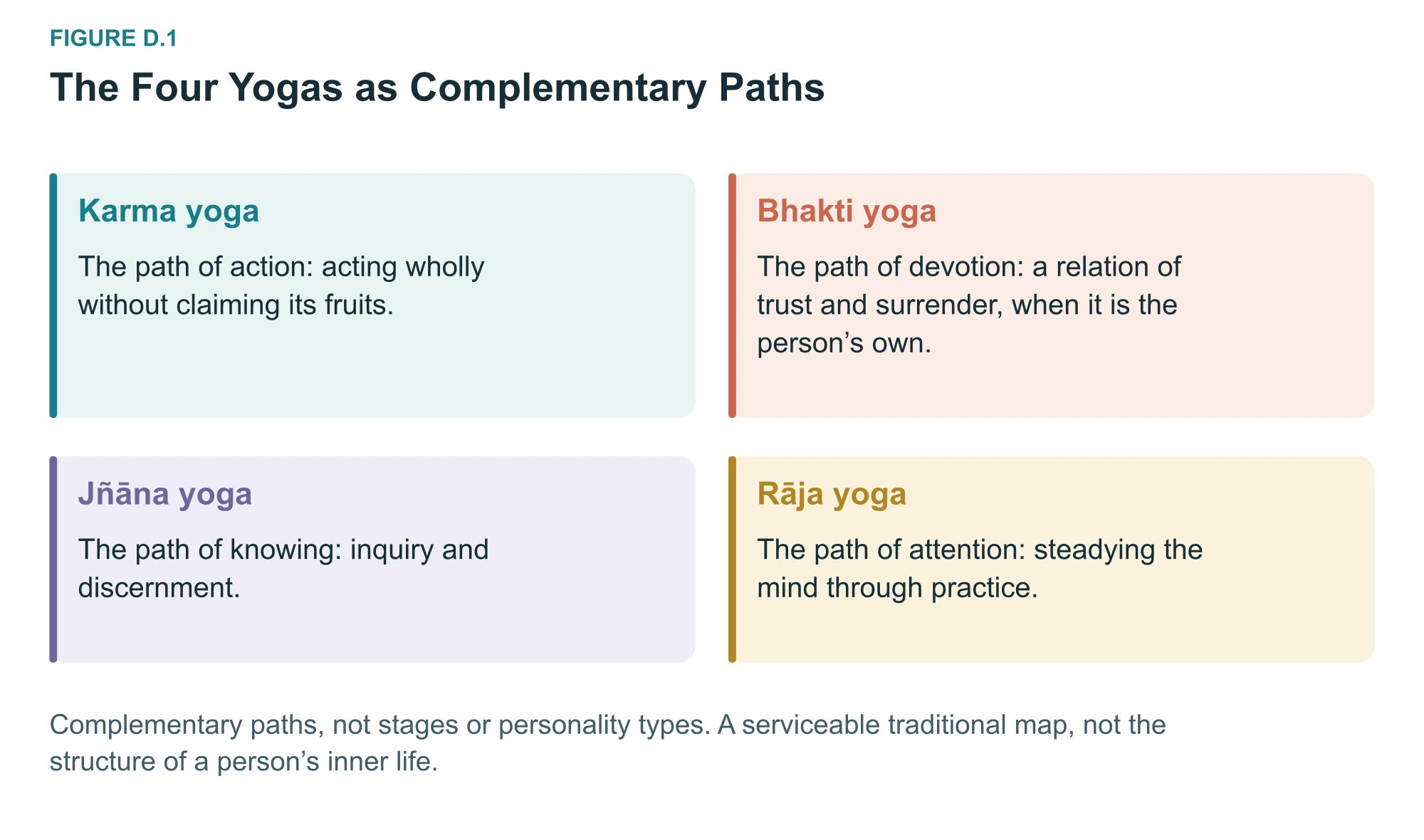
Figure D.1. The Four Yogas as Complementary Paths.
What this means for the caregiver's first offering. Start from what the person already leads with. Most people show it within a few minutes of ordinary conversation, and they show it in what they do with a difficulty rather than in what they say about religion. The person who wants to understand what is happening to them, the person who wants to be held, the person who wants a job to do, and the person who cannot stop the noise in their head are four different first offerings. D.6 turns this into a working table.
And one caution about the framing itself. These four are a classification the tradition made of its own practices, most influentially in the reading of the Bhagavad Gītā that became standard in the modern period. It is a genuine part of the tradition and it is useful. It is not the only way the tradition has organised itself, and a caregiver should hold it as a serviceable map rather than as the structure of a person's inner life. Appendix G says more about how the corpus is arranged and about why the tradition tolerates several such maps at once.
D.2 Jñāna yoga: the way of knowing
What it is. The path of understanding: study, enquiry, and the discrimination of what abides from what passes. Its practices are svādhyāya (self-study, and the study of texts that turn one back on oneself), sustained questioning, the dialogic use of a text with another person, viveka (discernment between the abiding and the passing), and neti-neti (not this, not this), the discipline of removing what is mistaken rather than accumulating what must be affirmed.
What a caregiver can actually offer. Not a seminar. Three things, in ascending order of demand:
1. A question held open rather than answered. What has changed in how you understand this since it began? The offering is the holding open, not the question.
2. A text read together and argued with. Not read at the person. The tradition's own habit is disputation, and a care recipient who wants to argue with a verse is doing the practice correctly. Appendix G's navigation table is where to find what kind of text a question lives in.
3. Neti-neti as a bedside discipline, and this is the one most caregivers underrate. A person who says it is not that I am afraid of dying, and it is not that I mind the pain is not evading. They are narrowing precisely. The practice is to let them keep narrowing and not to supply the positive statement for them.
Whom it suits. People whose suffering is bound up with meaning and understanding rather than with feeling or with action, and who are able and inclined to think their way through: the reflective, the sceptical, the professionally trained, and often the person who has been offered consolation by three others already and found it thin.
How it fails. In acute distress, enquiry becomes rumination. The form is identical from outside - a person thinking hard about their situation - and the difference is whether the thinking moves. If a person returns each time to the same sentence with the same weight, you are watching rumination and the offering is wrong. Stop, and offer something with a body in it.
The contraindication. Acute distress, acute psychosis, and any state in which the person's thinking is already running without brakes. Also, and less obviously: grief in its first weeks, where enquiry has nothing yet to work on and asking a person to understand their loss can read as being asked to justify it.
D.3 Bhakti yoga: the way of devotion
What it is. The path of relationship and surrender: prayer, mantra japa (the repetition of a name or phrase), bhajan and kīrtan (devotional singing, alone or in company), pūjā (the offering rite), darśana (the sight of, and being seen by, the divine image), smaraṇa (remembrance), and the reading of sacred narrative.
What a caregiver can actually offer. Very often, not the practice itself but the conditions for it: a screen pulled round, twenty minutes without interruption, a small lamp where the fire regulations permit one and an electric substitute where they do not, a phone propped so a family member two thousand miles away can be present, a name said aloud when the person can no longer say it. Chapter 12 carries a case in which the whole of the caregiver's contribution was to supply the materials and then step back so that the parents performed the rite themselves.
Where the caregiver is invited further in, the offerings are: to sit while the person practises; to repeat a name with them if they ask and the caregiver can do it without pretence; to read a passage aloud; and to arrange for someone from their own tradition to come, which is often the right answer and is not a failure.
Whom it suits. People whose own life already runs through devotion, which is most of the people who will ask. And, more particularly, the situations where enquiry has nothing to work on: grief, dying, helplessness, waiting, and the long stretches of an illness in which nothing is being decided.
How it fails. Two ways, and they are different. Imposition: devotional practice offered to someone who does not hold it is the caregiver's tradition entering by the back door, however gently it is put. Bypassing: devotional practice offered, or taken up, instead of facing something. A person who reaches for a name every time a hard subject is raised is doing something with the practice other than what it is for, and the caregiver's job is to notice, not to interrupt.
The contraindication. No physical one. The two above are the real ones, and D.9 gives the signs.
D.4 Karma yoga: the way of action
What it is. The path of action offered rather than owned: sevā (service), niṣkāma karma (action without possessiveness of its fruit), non-doership, and duty read through dharma and the ṛṇas, the debts a life is held to carry. In the caregiver's own formation it is not one option among four; it is the ground of the whole stance, and Chapter 5 argues that.
What a caregiver can actually offer. A job. That is nearly the whole of it, and it is routinely underestimated. To a person immobilised by guilt, worthlessness, or the sense of being of no use, an available and real task is worth more than any amount of reassurance that they are still valuable. The task must be real: something that would otherwise not get done, and that somebody actually receives. Sorting photographs for a grandchild is real. A colouring sheet is not.
For a person with very little capacity left, the task can be very small - a message recorded, a blessing given, a decision made that only they can make. Chapter 11 carries a dying mother recording birthday messages for children she will not see, and reads it as karma yoga: acting in the present without attachment to a fruit she will not live to receive.
Whom it suits. The immobilised, the guilty, the person who says they are a burden, and the person for whom sitting still is intolerable. Also, very often, family members, who are frequently in more distress than the patient and have nothing to do with it.
How it fails. Service can become a way of not feeling. A person who has organised every hour of a bereavement around tasks may be being carried by them, or may be outrunning something; the sign is what happens when the tasks stop. And a person who is exhausted needs rest before service. A caregiver who offers a job to someone who is depleted has mistaken a physiological state for a spiritual one.
The contraindication. Exhaustion, and any situation in which the task on offer serves the institution rather than the person.
D.5 Rāja yoga: the way of disciplined attention
What it is. The path of trained attention, set out most influentially in the Yoga Sūtra of Patañjali as eight limbs: yama (restraints), niyama (observances), āsana (posture), prāṇāyāma (breath regulation), pratyāhāra (the withdrawal of the senses from their objects), dhāraṇā (concentration), dhyāna (sustained contemplation) and samādhi (absorption).
The practical weight of this appendix falls on the middle four, and the reason is a working one rather than a doctrinal one. The first two limbs are ethical and are lived rather than practised in a session, though a caregiver who ignores them entirely has taken the technique and left the discipline behind. The last limb is not something a caregiver offers anybody. What can actually be offered on a ward, in a cell, or at a kitchen table is a posture, a breath, a withdrawal of attention from the noise, and a place to put it.
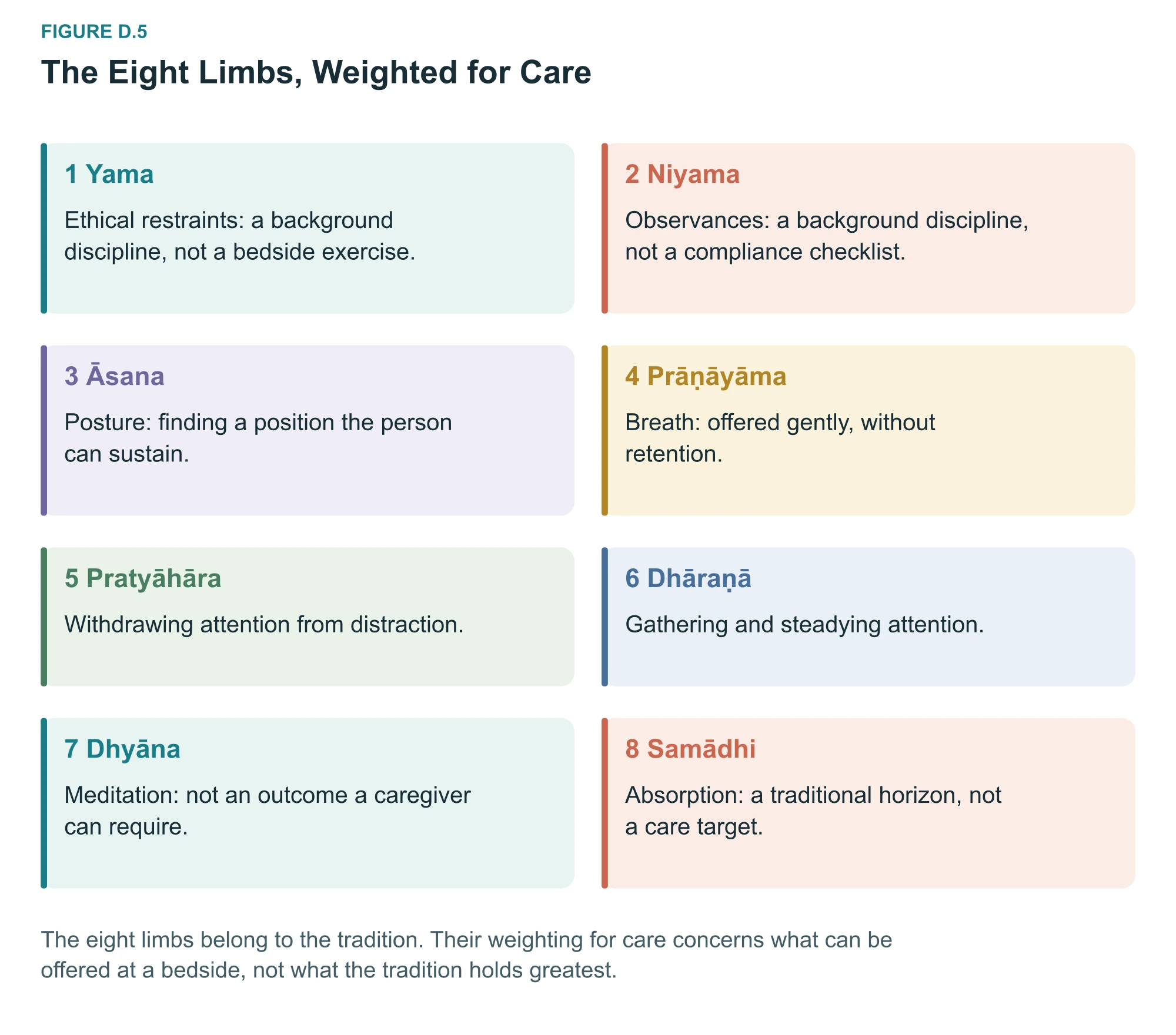
Figure D.5. The Eight Limbs, Weighted for Care.
D.5.1 The seat, and what makes it possible
The most common failure in offering seated practice is offering it to a body that cannot do it. A person with arthritic knees, a stiff lower back, a shoulder frozen after a stroke or the rigidity of Parkinson's disease will experience twenty minutes of sitting still as twenty minutes of pain, and will conclude, reasonably, that this is not for them. What they will have learnt is that the caregiver did not look.
The tradition's own answer to this is a tier of preparatory movement that comes before posture. In the modern Indian institutional literature it goes under two headings: sukṣma vyāyāma, subtle or micro-movements of the joints, and sthūla vyāyāma, the grosser whole-body movements. The Common Yoga Protocol calls the same tier sadilaja or cālana kriyā, loosening practices, and states its purpose plainly: to increase microcirculation, and, in the condition booklets' recurring formula, to loosen the joints and muscles so that the further range of practices becomes available (Basavaraddi 2018).
Table D.1 is the seat-enabling sequence. It is written to be lifted whole and used by a caregiver who has never taught anything, and it is deliberately shorter than any published protocol.
Table D.1. Making a seat possible: preparatory movement before any seated practice is offered.
Table D.1. Making a seat possible: preparatory movement before any seated practice is offered. Movements, durations and the printed cautions follow the Common Yoga Protocol (Basavaraddi 2018) and the MDNIY condition booklets. The final row is this book's own and is the one most often skipped.
Region | The movement | How much | Why it comes first | Stop if |
|---|---|---|---|---|
Neck | Slow bending forward and back; then side to side; then turning left and right | Each direction once, then twice more, unhurried | Almost every person who has been in a bed or a chair for weeks carries the whole of their guarding here. Nothing else releases until this does | There is pain rather than stretch, or any dizziness, tingling or change in vision. People with chronic cervical spondylitis and older people are advised in the protocol to leave these out |
Shoulders | A simple stretch, then slow shoulder circles front to back and then reversed | Two circles each way | A person cannot sit upright with the shoulders braced, and after a stroke or a long admission they are braced | Any sharp pain; a frozen shoulder is a reason to omit it entirely |
Hands and wrists | Wrist circles; opening and closing the hands | Ten each, gently | The one movement almost everybody can do, in almost any state, including in a bed. It is often the right whole offering rather than the preparation for one | Pain in an inflamed joint |
Trunk | Slow turning of the upper body left and right, hands loose | Once, then twice more | Sitting upright without this is bracing, not sitting | Severe back pain, known disc problems, or a cardiac condition, where the protocol says the movement is to be done with care or not at all, and during menstruation |
Knees and ankles | Slow bending and straightening; ankle circles | Five each side | This decides whether the floor or the chair is the honest option | Acute arthritis, where the protocol says to avoid it |
The seat itself | Choose it now, from what the body has just shown you | - | A seat chosen before the body has been consulted is a guess | The person is bracing anywhere. Change the seat, do not add a cushion and carry on |
Two honest notes about this table. The condition booklets name the sukṣma vyāyāma practices by their classical titles - grīvā śakti vikāsaka for the neck, kaṭi śakti vikāsaka for the lower back, skandha tathā bāhu-mūla śakti vikāsaka for the shoulder girdle - but not one of the eight booklets read gives a single repetition count, hold time or duration for any of them. The counts in Table D.1 come from the Common Yoga Protocol, which does give them, and where the protocol is silent the table says unhurried rather than inventing a number. And no source read for this appendix names a hip-specific loosening practice, which is a real gap for anyone hoping to sit on the floor: Brahmachari's manual almost certainly supplies one, and it is in Hindi and has not yet been read at first hand.
D.5.2 The seat
Three seats, in the order a caregiver should consider them, which is the reverse of the order a yoga manual gives them.
Seated in a chair. Feet flat on the floor or on a low stool, sitting far enough forward that the spine is holding itself rather than resting on the chair back, hands on the thighs palms down or turned up, shoulders soft, chin very slightly drawn in, eyes closed or lowered. This is the default. It is not a lesser option, and it should not be introduced as one. Most of the people this book is about will practise this way or not at all.
Sukhāsana (the easy or comfortable seat), cross-legged on the floor with the hips raised on a folded blanket or cushion high enough that the knees fall below the hips. If the knees are above the hips, the cushion is too low and the lower back will be doing work all session.
Vajrāsana (the thunderbolt seat), kneeling with the buttocks on the heels. The Common Yoga Protocol carries two cautions on it that matter here: people with piles should not practise it, and it should be avoided where there is knee pain or an ankle injury; the śaśakāsana entry adds that people with osteoarthritis of the knees should avoid vajrāsana (Basavaraddi 2018).
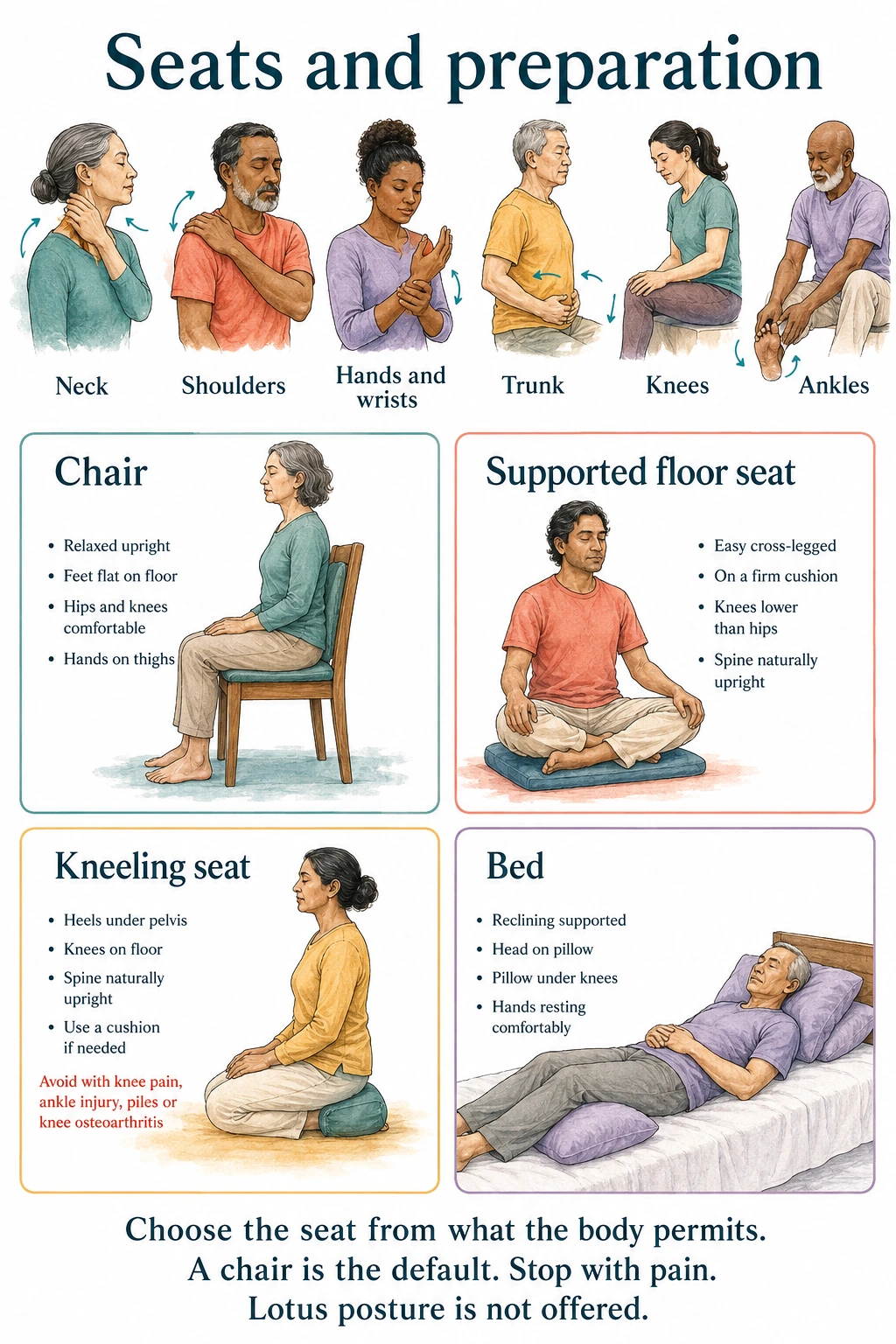
Figure D.3. Seats, and the Movements That Make One Possible.
Padmāsana, the lotus, is in the classical repertoire and is not offered in this appendix. It is available to few adults who have not practised for years, and a caregiver offering it is displaying a repertoire.
In a bed. Where a person cannot sit at all, the practice is breath and attention, and the position is whatever is already comfortable. There is one thing worth arranging: if the person is lying flat and can tolerate being propped, propping helps the breath. If they cannot, the practice still works.
D.5.3 Breath
This is the part of the appendix a caregiver is most likely to use, and the part where the most harm is possible.
The offering divides into three, and the division is not decorative. It is the order of increasing risk.
First, observation, which is not a technique. Notice that you are breathing. Do not change it. This has no contraindication of any kind, works in a bed, works during a panic, works for a person who has refused everything else, and is available in any vocabulary. It is where a caregiver should begin nine times in ten. Ten breaths is enough for a first offering.
Second, extended exhalation. Letting the out-breath become longer than the in-breath, without forcing either. The instruction that works with people who have never done this is not a ratio but a picture: let the out-breath finish itself rather than cutting it off. The Common Yoga Protocol gives the ratio for nāḍī śodhana as equal in and out for beginners, moving gradually towards one to two, inhalation to exhalation (Basavaraddi 2018), and that is the direction of travel rather than a target for a first sitting.
This is also the practice with the best research behind it, and D.10 states exactly how good that is and what it does and does not cover.
Nāḍī śodhana (alternate-nostril breathing, also called anuloma viloma). The left hand rests in jñāna mudrā; the right hand takes nāsāgra mudrā, the index and middle fingers folded, the thumb closing the right nostril and the ring finger the left. Breathe in through the left, out through the right, in through the right, out through the left: that is one round. The protocol gives five rounds. Figure D.4 specifies the hand position, which is the single thing most often got wrong from a written description.
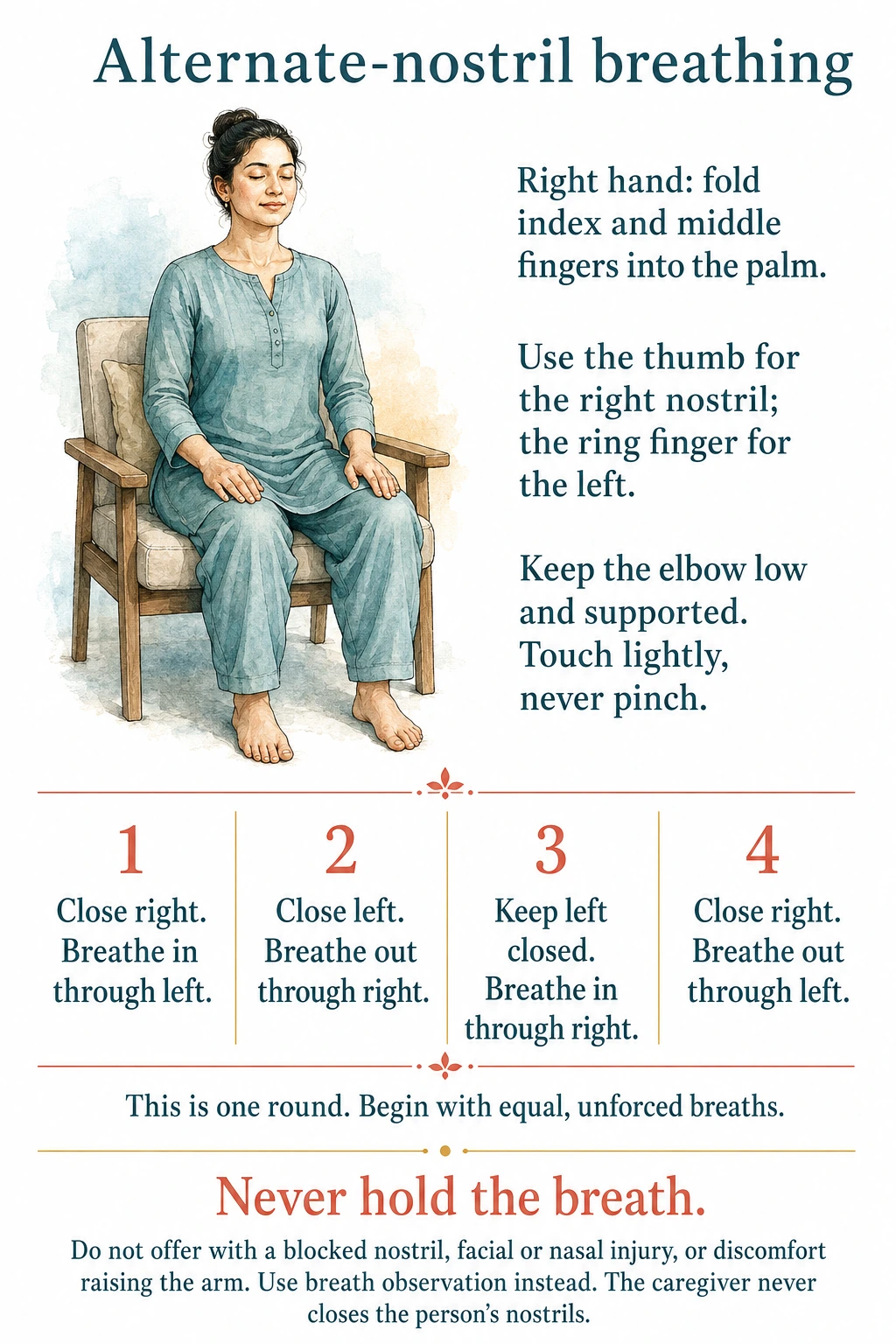
Figure D.4. Alternate-nostril breathing.
Third, and offered rarely: the forceful and the retained. Kapālabhāti (rapid abdominal exhalations) and bhastrikā (bellows breath) are energising practices with long contraindication lists. Kumbhaka, breath retention, is in the classical repertoire and is not offered in this appendix at all. The Common Yoga Protocol's own general guideline is the safest sentence in the whole literature: do not hold the breath unless it is specifically mentioned to do so (Basavaraddi 2018). The NIMHANS module states it more flatly still - the breath should not be kept on hold at any point of yoga practice (Naveen, Varambally and Thirthalli 2010) - and then, in the same booklet, defines prāṇāyāma as including retention for half the length of the inhalation, and does not reconcile the two. Where a source contradicts itself on a safety point, this appendix follows the safer half and says that it is doing so.
Table D.2 sets the breath practices out with what each is for and when not to offer it.
Table D.2. Breath practices: what each is for, and when not to offer it.
Table D.2. Breath practices: what each is for, and when not to offer it. The right-hand column is the working column. Where two sources disagree, the safer reading is given and the disagreement is recorded in D.9.
Practice | What it is | Offer it when | Do not offer it when |
|---|---|---|---|
Observation of the breath | Noticing the breath without changing it | Always available. First offering in almost every case; the only offering during acute panic | No contraindication known to any source read for this appendix |
Extended exhalation | Letting the out-breath lengthen, unforced | Agitation, sleeplessness, pain that has become a loop, the hour before a procedure | The person becomes light-headed, or reports that attending to the breath is itself frightening. Both are common and neither is a failure |
Nāḍī śodhana / anuloma viloma | Alternate-nostril breathing, five rounds | The person can sit and use a hand, and wants something with a shape to it | One nostril is blocked; there is a recent facial or nasal injury; the person cannot raise an arm comfortably |
Bhrāmarī | A humming exhalation, five rounds | Agitation with a lot of internal noise; often works when instruction does not | Infection of the nose or ears (Basavaraddi 2018) |
Śītalī | Cooling breath drawn over a rolled tongue | Heat, restlessness, thirst that cannot be relieved by drinking | Severe cold, cough or tonsillitis (Basavaraddi 2018). Note the conflict recorded in D.9: the MDNIY depression booklet advises against cooling breaths in depression while four other booklets prescribe them |
Kapālabhāti | Rapid forceful exhalations | Rarely, and not by a spiritual caregiver on a first meeting | Cardiac conditions, high blood pressure, giddiness, vertigo, nosebleeds, epilepsy, migraine, stroke, hernia, gastric ulcer, pregnancy, menstruation (Basavaraddi 2018); and add anxiety and Parkinson's disease, where the MDNIY booklets warn against hyperventilating practices generally |
Bhastrikā | Bellows breath | Not offered in this appendix | As kapālabhāti, with the NIMHANS list adding ischaemic heart disease, slipped disc and spondylosis (Naveen, Varambally and Thirthalli 2010) |
Kumbhaka (retention) | Holding the breath | Not offered in this appendix in any circumstance | Always, for the purposes of this book. It belongs to supervised practice with a trained teacher and a known history |
D.5.4 Meditation practices
Six, with what each does, whom it suits, and how it fails. The failures are given the same space as the uses, because a caregiver who knows only what a practice is for will not recognise it going wrong.
Breath awareness. Attention rests on the breath; when it wanders, it is brought back. Suits almost everybody, needs no belief, no posture and no vocabulary. Fails when attending to the body is itself the frightening thing, which is common in breathlessness, in panic, and in people whose bodies have been the site of harm. The repair is not to persist: move the attention outward, to sound or to the weight of the hands.
Trāṭaka, steady gazing at a small flame or point. Suits people who cannot close their eyes, which includes many people with a trauma history and many who are simply frightened, and it is a genuine alternative rather than a consolation prize. Fails with severe eye conditions, and with migraine, where a fixed bright point can be a trigger.
Japa meditation, the repetition of a name, phrase or sound. Suits people whose practice is already devotional, people who want something to hold, and people too tired to sustain open attention. It is bhakti and rāja at once. Fails when it becomes a way of not being present, and the sign is that the repetition speeds up.
Body scanning. Attention moved slowly through the body. Suits pain that has become undifferentiated, and people who have stopped inhabiting a body they are angry with. Fails, sometimes badly, in dissociation and in acute pain, where the invitation to attend to the body is the last thing a person needs.
Yoga nidrā, a guided rotation of awareness through the body while lying down, at the edge of sleep. Suits exhaustion and sleeplessness, and is one of the few practices that a person who can do nothing at all can still receive. It appears in six of the eight MDNIY condition booklets read, and - a finding worth recording - not one of the eight attaches any caution to it, including the depression booklet, which itself discusses suicidality. This appendix does not follow them in that silence: see D.9 on eyes-closed practice.
Open awareness. Attention rests on nothing in particular. Suits experienced practitioners. Offered to a beginner it usually produces either sleep or an hour of thinking, and the caregiver who offered it will not know which.
Table D.7 gathers the six on one page in the form of Table D.2, so that the exclusions stated in the paragraphs above - trāṭaka's in particular, which appear nowhere else in this appendix - are on the page that gets photocopied and not only beside it.
Table D.7. Meditation practices: what each is, whom it suits, and how it fails.
Table D.7. Meditation practices: what each is, whom it suits, and how it fails. The right-hand column is the working column, and it carries two kinds of entry deliberately run together: a state in which the practice is not offered at all, and a sign, visible only once it is under way, that it should stop. Every row is drawn from the paragraphs of D.5.4 and adds nothing to them; the table exists so that the page can be lifted whole.
Practice | What it is | Offer it when | Do not offer it, or stop, when |
|---|---|---|---|
Breath awareness | Attention rests on the breath; when it wanders, it is brought back | Almost everybody; needs no belief, no posture and no vocabulary | Attending to the body is itself the frightening thing: breathlessness, panic, a body that has been the site of harm. Do not persist; move the attention outward, to sound or to the weight of the hands |
Trāṭaka | Steady gazing at a small flame or a point | The person cannot close their eyes, which includes many with a trauma history and many who are simply frightened. A genuine alternative, not a consolation prize | Severe eye conditions; migraine, where a fixed bright point can be a trigger. In a cell or a shared room, a point on the wall rather than a flame (Table D.4) |
Japa meditation | Repetition of a name, phrase or sound; bhakti and rāja at once | The person's practice is already devotional; they want something to hold; they are too tired to sustain open attention | It has become a way of not being present. The sign is that the repetition speeds up |
Body scanning | Attention moved slowly through the body | Pain that has become undifferentiated; a person who has stopped inhabiting a body they are angry with | Dissociation; acute pain, where the invitation to attend to the body is the last thing the person needs. It can fail badly, not only mildly |
Yoga nidrā | A guided rotation of awareness through the body, lying down, at the edge of sleep | Exhaustion and sleeplessness; one of the few practices a person who can do nothing at all can still receive | The eyes-closed cautions of Table D.6: acute psychosis, dissociation, a trauma history where inward attention destabilises, acute panic, a setting where the person is not safe unobserved. No source read for this appendix attaches any caution to it; this appendix does |
Open awareness | Attention rests on nothing in particular | Experienced practitioners | Beginners. It usually produces either sleep or an hour of thinking, and the caregiver who offered it will not know which |
D.5.5 The graded progression
The order is posture, then breath, then seated stillness, and the reason is that each makes the next possible. A person in physical discomfort cannot attend to the breath; a person whose breath is ragged cannot sit still. A caregiver who starts at the end because the end is what looks like spirituality has skipped the two steps that would have made it work.
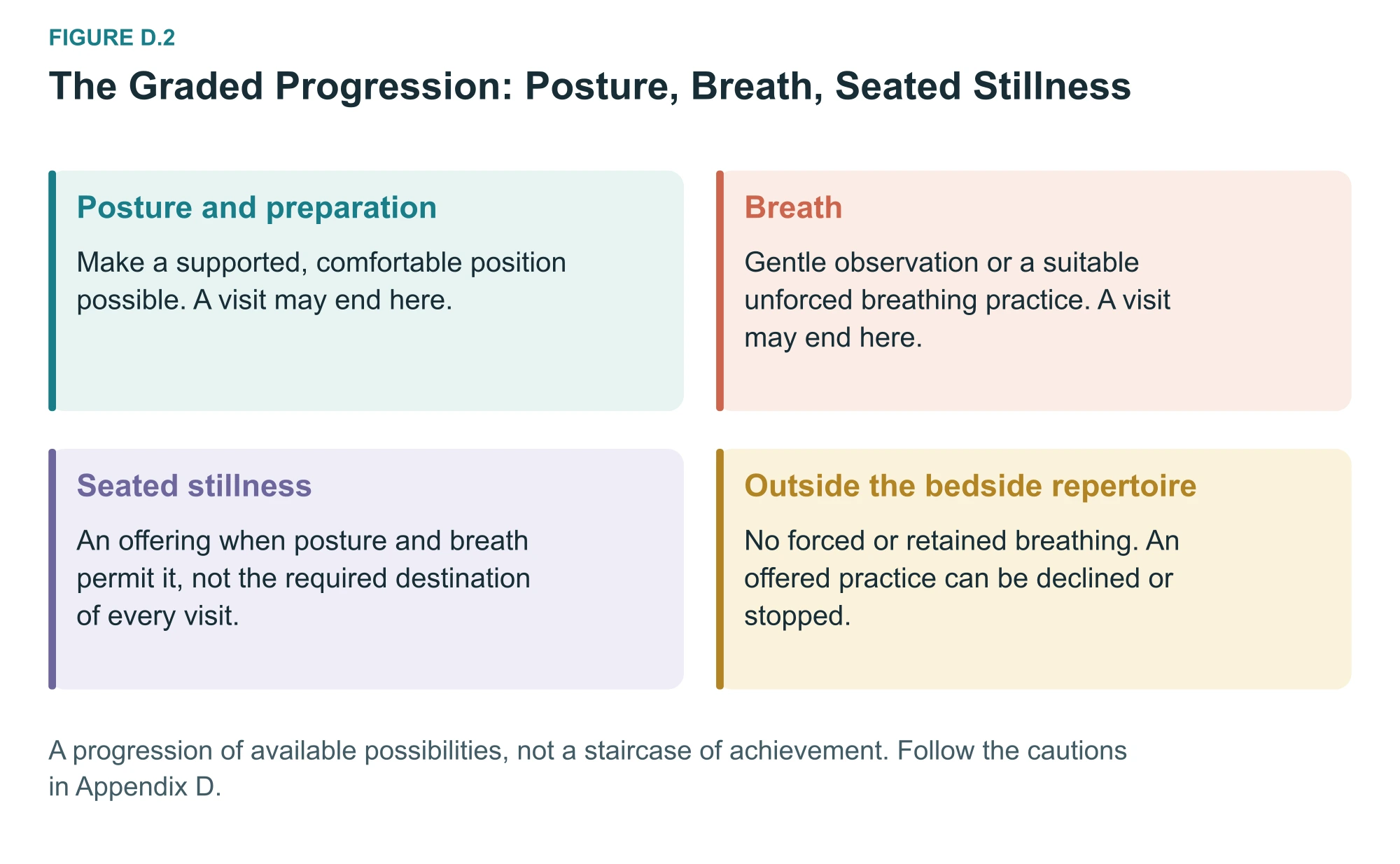
Figure D.2. The Graded Progression: Posture, Breath, Seated Stillness.
And the honest version of the order, for a fifteen-minute visit: ninety seconds of hands and shoulders, ten breaths observed, and two minutes of sitting. That is the whole progression, and it is a complete offering rather than a truncated one.
D.6 Choosing among the four: a discernment guide
The question is not which path is highest. It is what this person, today, in this state, can actually take hold of. Table D.3 keys the four to what the person brings, and it is written to be used in the corridor before going in.
Table D.3. Which of the four, keyed to what the person brings.
Table D.3. Which of the four, keyed to what the person brings. The right-hand column is the working column: most bad offerings are not wrong practices but right practices offered to the wrong state. Read the row, then check it against the person rather than against the table.
What the person is bringing | Lead with | A first offering that fits in ten minutes | What would be the wrong offering, and why |
|---|---|---|---|
I do not understand what has happened to me. Questions, argument, a demand for an account | Jñāna | A question held open rather than answered, and the willingness to be argued with | Devotional consolation. It answers a question they have not asked and closes the one they have |
I cannot bear this. Grief, dread, helplessness, waiting with nothing to decide | Bhakti | The conditions for their own practice: privacy, time, a lamp, a phone call to someone who can pray with them | Enquiry. There is nothing yet to enquire into, and being asked to understand a loss can land as being asked to justify it |
I am no use to anybody. Guilt, worthlessness, the sense of being a burden | Karma | A real task that somebody actually receives, however small | Rest and reassurance alone. Both are true and neither touches the thing they said |
I cannot stop. Racing thoughts, sleeplessness, agitation, pain that has become a loop | Rāja | Hands and shoulders, then ten breaths observed | Jñāna. Enquiry offered to a mind already running is fuel |
I am not religious and I do not want any of this. | Rāja, in plain language | Breath and attention with no vocabulary at all, offered as something the body can do. See D.8 | Any of the four named as such. The naming is the imposition, not the practice |
Nothing legible yet. A first meeting, or a person too tired to show you | Nothing | Sit. Ask what the day has been like. Offer wrists and hands if they are restless | A practice chosen to fill the caregiver's discomfort at not knowing. This is the commonest error in this whole appendix |
Three rules that the table cannot carry.
• Most people need more than one, and not at once. A person led into steadier attention this week may be ready for the question next week. Sequence across visits, not within one.
• What a person leads with is not always what they need, and this is where discernment becomes difficult. A person who insists on a task may be outrunning something; a person who wants only to understand may be keeping feeling at a distance. The rule is not to override them. It is to offer the thing they can take, and to keep noticing.
• Ask. The whole table is a way of forming a better question, not a way of avoiding one. Would something like that be useful, or not at all? - and a real willingness to hear the second half.
D.7 Dose: what actually fits a ward, a wing, a home visit and a bedside
Every published protocol in this field is written for a class. The Common Yoga Protocol runs to forty-five minutes with an optional further fifteen, in a hall, with a teacher at the front and people who arrived able to stand (Basavaraddi 2018). The NIMHANS depression module runs to a full hour and includes three rounds of sūrya namaskāra (Naveen, Varambally and Thirthalli 2010). Neither is wrong. Neither is what a spiritual caregiver has.
Table D.4 is the translation. It is the page this appendix expects to be photocopied.
Table D.4. Dose by setting: what is actually available, and what to offer in it.
Table D.4. Dose by setting: what is actually available, and what to offer in it. The final column is the one worth reading twice; most offerings fail on the circumstances rather than on the practice.
Setting | What you actually have | Offer this | Do not attempt | The thing that spoils it |
|---|---|---|---|---|
Bedside, fifteen minutes, ward | Interruptions, a curtain, no floor space, a person who may be in pain | Hands and wrists; ten breaths observed; two minutes of sitting. Say at the start how long you have | Anything requiring the floor, standing balance, or an unbroken twenty minutes | Starting something you cannot finish because the drug round arrives. Name the interruption in advance and it stops being one |
Bedside, a person who cannot sit up | Very little, and it is enough | Observation of the breath. Attention to sound rather than to the body if the body is the frightening thing. A name repeated, if that is theirs | Posture of any kind; body scanning where there is dissociation or acute pain | Treating this as a reduced version of the real thing. It is the whole thing |
A home visit, forty-five minutes | Time, privacy, a chair, sometimes a family member | The full graded progression at low intensity: preparatory movement, seat, breath, ten minutes seated. And teach it, so it survives your leaving | Anything you would not want them doing alone on a bad night | Making the practice depend on you being in the room |
A prison wing or detention centre | A cell or a shared room, no privacy, surveillance, and a person who has learnt that closing their eyes is not safe | Everything with the eyes open. Trāṭaka at a point on the wall. Hands and shoulders. Breath observed | Eyes-closed practice offered by default. Lying down. Anything that would look, to staff or to other detainees, like something to be explained | Assuming the person can be unobserved for twenty minutes. Ask them what is possible on their wing, and believe the answer |
A group, chapel or day room | Chairs, a mixed group, several traditions and none | Chair-seated preparation, breath observation, a shared silence. Everything nameable in plain language | A sequence pitched at the fittest person present. Anything with a devotional text that half the room does not hold | Letting it become a class with a teacher. A caregiver at the front has changed role |
Mental-health setting | A clinical team, a diagnosis you may not have, and a person whose state can change between visits | Observation, extended exhalation, open-eye practice, short durations. And a conversation with the team before anything regular | Forceful breathing, retention, long eyes-closed sittings, yoga nidrā on a first offering | Offering a daily practice without the team knowing. The NIMHANS booklet's own governing sentence is that practices should be started under supervision and considered only when prescribed for the individual patient |
A family or informal carer, and there is no shift to end | Twelve minutes, headphones and a recording. No room of their own, no floor, no privacy from the person they are caring for, and no hour that is free unless one is chosen and defended | Twelve minutes daily, at the same hour, from a recording, for eight weeks. It is the only dose in this appendix measured in family carers rather than transposed to them, and it asks unusually little: no floor, no posture, no teacher, no privacy beyond a pair of headphones. Read D.11.1 before offering it (Black et al. 2013) | Anything requiring them to leave the house, to be unheard, or to add a second undertaking to the day. And not karma yoga first - their difficulty is not that they have nothing to do (D.4) | Offering it as respite, or as self-care. They have already been told to look after themselves by most of the people who are doing none of the caring, and a practice that arrives inside that sentence arrives as one more task |
The caregiver's own practice | Whatever is left at the end of a shift | See D.11 | Making it a performance measure | Practising in order to work better. That is not what it is for |
The last two rows are not the same row, and the difference is why the family carer's row was added. A professional's own practice happens after a shift. A family carer has no after: the setting is the house, the person is still there in the morning, and the privacy the other seven rows quietly assume would have to be privacy from the person being cared for. The distinction matters more than it looks, because the one dose anywhere in this appendix that was measured in carers rather than transposed to them was measured in the family carer and not the professional. Black and colleagues' twelve minutes was a trial in family dementia carers giving a mean of forty-eight and sixty-three hours of care a week in the two arms, four years in (Black et al. 2013). What that trial actually asked of those carers, and what may and may not be carried across from it, is set out at D.11.1. A caregiver about to offer the twelve minutes should read that first.
On frequency, which the sources say less about than practitioners expect. The NIMHANS module suggests once or twice daily early in treatment and at least twice weekly in maintenance (Naveen, Varambally and Thirthalli 2010). The Common Yoga Protocol gives no frequency at all. The condition booklets give none, and give no repetitions or durations either. Where this appendix gives a number it is because a source gave it; where it says short or unhurried, no source gave one.
D.8 Offering it without a word of Sanskrit
Chapter 9 states the rule and its own vignette tests it: a retired teacher of seventy-one, newly diagnosed with Parkinson's disease, at home, secular, who has said in terms that her body is simply broken and that there is nothing spiritual about it; Chapter 15 works her whole as Case 15.3.
She is right about her body, and the practice is still available to her. A chair-seated preparation and a lengthened out-breath are not a theology. What would make them one is a caregiver who could not offer them without their frame.
Table D.5 sets the same practices in two vocabularies. The left column is not a translation of the right into something lesser; it is the same instruction with the warrant removed, because the warrant is the caregiver's and not hers. The table runs to every practice this appendix offers rather than to a sample of them, on the ground that a caregiver who has plain words for six practices and none for the rest will simply offer the six, and the two hardest to carry across - bhrāmarī and yoga nidrā - are exactly the ones a person with no relation to the tradition is most likely to accept.
Table D.5. The same practice, two vocabularies.
Table D.5. The same practice, two vocabularies. Seventeen rows, covering every practice this appendix offers. The right-hand column is the honesty condition: the practice may be offered without its name, but never with its origin denied if the person asks. Concealment and imposition are two failures of the same rule.
What you say | What it is | What you say if she asks where it comes from |
|---|---|---|
Would it help to loosen the shoulders a little before we sit? | Sukṣma vyāyāma, preparatory movement | It is from yoga, the preparatory part. I use it because it works, not because you have to take the rest of it |
Just notice you are breathing. Do not change anything. | Breath awareness, the first limb of practical rāja yoga | Yes, it comes from the yoga tradition. It also comes from about four other places. You are not signing up to anything |
See if the out-breath can finish itself rather than being cut off. | Extended exhalation | The same, plus: there is research on slow breathing, and D.10 says what it does and does not show |
Let your eyes rest on something, rather than closing them. | Trāṭaka, adapted | A very old practice, and also just a way of giving your attention somewhere to be |
Is there anything you still want to do that only you can do? | Karma yoga, without the term | That one is not really a technique. It is a question I have found worth asking |
Would you like me to sit here while you do that? | Bhakti, when it is hers and not yours | Nothing. She has not asked |
Would it be easier to sit forward a bit, feet flat, so your back holds itself? | The chair seat, which is this appendix's default posture and not a lesser one | No tradition needed for that one. It is just how a back works |
If the floor suits you better, sit cross-legged with something folded under you, high enough that your knees drop below your hips. | Sukhāsana, the easy seat | It is the ordinary sitting posture of the yoga tradition. The cushion is the whole trick |
Some people find kneeling with their weight back on their heels steadier. Only if your knees are happy. | Vajrāsana | From yoga. I ask about the knees because the tradition itself says not to offer it where knees hurt |
There is a way of breathing that uses one nostril at a time. It gives your hands something to do as well. Shall I show you? | Nāḍī śodhana / anuloma viloma, five rounds | Yes, this one is unmistakably from yoga, and I would rather say so than pretend. You can stop at any round |
Try letting the out-breath hum. Any note. It is louder than people expect. | Bhrāmarī, five rounds | A yoga breath. It is also what people do in the car without noticing |
If you are too hot to settle, try drawing the breath in over your tongue, curled if it curls. | Śītalī, the cooling breath | From yoga, and it is one of the few things in there aimed at feeling too hot rather than too tense |
Would it help to have a word or a line to come back to? Yours, not mine. | Japa, and it is bhakti and rāja at once | Repeating something is in every tradition I know of and in none of them. Use whatever is already yours |
Shall we go slowly through where you are, from the feet up, without trying to change anything? | Body scanning | It turns up in yoga and in a good deal of ordinary pain management. Same practice, two histories |
You do not have to sit or stay awake for this one. Lie as you are and I will talk you slowly through your body. | Yoga nidrā | Yoga, and the name means yogic sleep, which is roughly what it feels like |
What has changed in how you understand this since it began? | Jñāna yoga, and the offering is the holding open rather than the question | Nothing to declare. It is a question, and you are under no obligation to have an answer |
It is not that, and it is not that either. Keep going. I will not finish it for you. | Neti-neti, as a bedside discipline | There is a name for it in the Indian philosophical tradition. What you were already doing is the practice |
What is deliberately not in the table, because a table read alone must not be read as a menu. Five things in this appendix have no plain-vocabulary row and the omission is the point. Padmāsana and kumbhaka are named in the appendix and offered by it nowhere, so a plain-English rendering of either would be an offer this book does not make. Kapālabhāti and bhastrikā are carried in Table D.2 with the longest contraindication lists in the appendix, and a phrasing that let a caregiver offer either without its name would let them offer it without its list; they belong to a teacher who knows the person's history, and the only sentence this appendix supplies for them is that one. Open awareness has no row because it has no beginner's form: offered to somebody new it produces sleep or an hour of thinking, and the caregiver will not be able to tell which. A practice a caregiver cannot safely offer in plain words is one they should not be offering in Sanskrit either, and that, rather than tidiness, is why these five are absent.
The line, stated once and plainly. Offering a practice without its vocabulary is respect. Denying where it comes from when asked is deception. Waiting until a person is consoled and then supplying the tradition is the thing this whole book is written against.
D.9 Contraindications, and the sign that a practice has gone wrong
This section is not optional and is not decoration. It is also, deliberately, more cautious than the sources it is built from.
Table D.6 is the safety table.
Table D.6. Contraindications by class of practice.
Table D.6. Contraindications by class of practice. Where two sources disagree, the safer reading is given and the disagreement is named rather than smoothed. A caregiver who is unsure should offer breath observation, which no source read for this appendix contraindicates, or offer nothing.
Class of practice | Do not offer when | Source, and where this appendix goes further |
|---|---|---|
Standing postures and balance work | Postural instability, movement disorder, recent stroke, vertigo, giddiness, acute cardiac problems, varicose veins, severe arthritis, obesity where balance is affected | Common Yoga Protocol, per-posture cautions (Basavaraddi 2018). This appendix does not offer standing practice at a bedside at all |
Forward folds and deep twists | Disc disease, sciatica, recent abdominal surgery (three to six months), hernia, ulcer, glaucoma, pregnancy, menstruation, acute back pain | Common Yoga Protocol; NIMHANS module (Naveen, Varambally and Thirthalli 2010) |
Inverted postures | Movement disorders; and this appendix does not offer inversions in any care setting | The MDNIY Parkinson's booklet forbids inverted postures. Note the conflict: its own illustration plate shows sarvāṅgāsana and halāsana, which the text forbids. Where a booklet contradicts itself, follow the text |
Kneeling seats (vajrāsana) | Knee pain, ankle injury, osteoarthritis of the knee, piles | Common Yoga Protocol |
Forceful breathing (kapālabhāti, bhastrikā) | Cardiac disease, hypertension, ischaemic heart disease, vertigo, epilepsy, migraine, stroke, hernia, gastric or duodenal ulcer, slipped disc, spondylosis, pregnancy, menstruation, glaucoma, and anxiety states | Common Yoga Protocol; NIMHANS; the MDNIY anxiety and Parkinson's booklets both forbid hyperventilating practices |
Breath retention (kumbhaka) | Always, in this appendix | The Common Yoga Protocol's general guideline is not to hold the breath unless specifically instructed. The NIMHANS booklet says the breath should not be held at any point, and then defines prāṇāyāma as including retention. This appendix follows the safer half |
Cooling breaths (śītalī, śītkārī) | Severe cold, cough, tonsillitis | Common Yoga Protocol. Unresolved conflict: the MDNIY depression booklet advises against cooling breaths in depression, while the anxiety, stroke, Parkinson's and migraine booklets prescribe them. No source read for this appendix reconciles the two |
Eyes-closed practice, yoga nidrā, body scanning | Acute psychosis; dissociation; a trauma history where eye closure or inward attention destabilises; acute panic; a setting where the person is not safe unobserved | This is the appendix's own caution and it is not in the sources. Six of the eight MDNIY booklets prescribe yoga nidrā with no caution of any kind, including the depression booklet, which itself discusses suicidality. That silence is a gap in the sources, not a licence |
Enquiry (the three jñāna offerings of D.2) | Acute distress; acute psychosis; any state in which the person's thinking is already running without brakes; grief in its first weeks, where enquiry has nothing yet to work on. And stop, whoever the person, when enquiry has become rumination: the person returns each time to the same sentence with the same weight. Offer something with a body in it instead | This is the appendix's own caution and it is not in the sources. No manual read for this appendix treats enquiry as a practice, so none carries a caution on it |
Any practice, whoever the person | When the offering answers the caregiver's need rather than the person's | This book's own rule, and no manual carries it |
A hard sentence about the sources, stated because it would be dishonest to leave it out. The eight MDNIY condition booklets read are authoritative on practice - the sequences, the order, the classical names - and they are strikingly thin on safety. Across all eight there is one dosing caution (kapālabhāti with mild strokes, in the anxiety booklet), no mention of breath retention anywhere, and no caution attached to any eyes-closed practice. The stroke and paralysis booklet, faced with a person who may be hemiplegic, offers a single sentence: that since practising āsana will be difficult for a paralytic patient, assistive and modified movements will be helpful. It names no modification, no chair, no prop and no assistant. This appendix's chair-seated material is therefore this book's own, built from clinical common sense and from the general protocol, and not from a source that supplies it. That is said here rather than hidden,.
The signs, and they are not the same as contraindications
A contraindication is known before you offer. These are visible only after.
Signs a practice is working. The person continues it when you are not there. They adapt it without asking permission. They report something specific rather than something general - not it helps but I did it at four in the morning and got back to sleep. And, the most reliable sign, they become more able to speak about the hard thing rather than less.
Signs a practice is being used to avoid something. The practice arrives whenever a subject does. The person reports it in the language of achievement. The repetition speeds up. They describe themselves as beyond a feeling they were in last week. And the caregiver's own tell: you find yourself relieved when they start.
Signs it is the caregiver's practice and not the person's. You offered it in the first five minutes. You offered it after a silence you could not sit in. You have offered the same practice to your last four people. You would be disappointed if they declined.
Table D.8 sets the three groups of signs on one page beside Table D.6, because the two are designed to be used together and a contraindication table photocopied on its own leaves the caregiver with only the half that can be checked in advance.
Table D.8. Signs, after the offering: working, avoiding, and the caregiver's own.
Table D.8. Signs, after the offering: working, avoiding, and the caregiver's own. A contraindication (Table D.6) is known before you offer; every entry here is visible only after, so this table is read at the second visit and not the first. The third column repeats one sign from the second in each row, because the paragraphs above single it out and a photocopied page should carry the emphasis as well as the list.
Signs that the practice is | What you will see | The sign this appendix weights most |
|---|---|---|
Working | The person continues it when you are not there. They adapt it without asking permission. They report something specific rather than something general: not it helps but I did it at four in the morning and got back to sleep | They become more able to speak about the hard thing, not less |
Being used to avoid something | The practice arrives whenever a subject does. The person reports it in the language of achievement. The repetition speeds up. They describe themselves as beyond a feeling they were in last week | The caregiver's own tell: you find yourself relieved when they start |
Yours and not the person's | You offered it in the first five minutes. You offered it after a silence you could not sit in. You have offered the same practice to your last four people | You would be disappointed if they declined |
D.10 The evidence, stated in both directions
The practice is old and the research is young. These are practices refined over centuries of close observation inside their own tradition; systematic study of them is recent, thinly funded, and methodologically ill-suited to what it is looking at. Both halves of that sentence are true and the order matters.
Why the research lags, and the reasons are methodological rather than damning. These are complex whole-system practices, and standardising them for a trial strips out the individualisation that is their point. Blinding is largely impossible: a person knows whether they have been breathing slowly. Outcome measures capture what is easy to measure rather than what practitioners claim. Samples are small and follow-up short. And "yoga" names very different things across studies - in the seven papers read for this appendix it names a five-day residential retreat, a twelve-minute daily chant, ten joint movements, and a forty-minute class, which is not one intervention.
What can be said with reasonable confidence. Slow breathing at around six breaths a minute is associated with increased heart-rate variability and with electroencephalographic changes that in turn track improvements in mood and reductions in anxiety, in healthy adults (Zaccaro et al. 2018). That review is the best single warrant in this appendix, and its own limits are worth carrying: it found the literature too heterogeneous to pool statistically, so the planned meta-analysis was abandoned; it studied healthy adults between eighteen and sixty-five; it explicitly excluded protocols mixing breath with postures or meditation; no included study directly estimated the correlation between the physiological and the psychological changes; and its authors close by asking that future work consider the possibility of adverse effects, which is to say that the review reports no safety data at all. It warrants offering slow breathing to a well adult. It does not warrant a claim about a depressed patient.
What can be said more cautiously. Yoga interventions are associated with reductions in some pro-inflammatory markers, on a review of fifteen randomised trials with 1,053 participants in total - in which the risk of bias was unclear for all fifteen, only three included any follow-up, and no meta-analysis was possible (Falkenberg, Eising and Peters 2018). Workplace yoga is associated with reduced anxiety on a review of seventeen studies, though the review's own "strong evidence" grade for that finding rests on two small trials, one of thirty-seven participants and one delivering a seven-minute home routine (Chu et al. 2014).
What is worth saying about caregivers specifically, because a book that prescribes practice for the cared-for and offers the caregiver nothing has missed something. A randomised trial in family dementia caregivers found that twelve minutes of daily kīrtan kriyā over eight weeks, against a matched twelve minutes of relaxing music, was followed by changes in the expression of inflammation-related genes in white blood cells; the authors' own conclusion is that the practice may reverse a previously observed pattern, the analysis is of thirty-nine completers with no follow-up, and they note they cannot say which component of the practice was responsible (Black et al. 2013). A five-day residential yoga programme for frontline professionals, including corrections staff, was followed by improvements in stress, resilience and sleep sustained at two months - in a single-arm uncontrolled pilot, funded and administered by the centre that owns the programme, with differential attrition that biased the follow-up sample towards the less stressed (Trent et al. 2018). The twelve-minute daily practice is the more usable finding of the two, and by some distance.
What cannot be said, and this appendix says so rather than implying otherwise.
• Nothing about Parkinson's disease, stroke or migraine. The source folder contains protocol booklets for all three and not one trial in any of them, and no fresh search has been made. The practice guidance in D.5 for these conditions rests on the booklets; the evidence for it does not exist in this book's sources. This matters most for Parkinson's, which is the anchor of a case chapter.
• Nothing about severe or suicidal depression. The NIMHANS booklet is the strongest mental-health source here and it names no contraindication for suicidality or psychosis anywhere, and never states that yoga is adjunctive rather than alternative to medication (Naveen, Varambally and Thirthalli 2010). The absence of the statement is not the statement.
• Nothing resting on the weakest three. The handgrip dissertation is unpublished, unblinded and reports no between-group comparison (Madankumar 2018); the medical-students comparison is non-randomised with participants choosing their own arm (Sharma et al. 2012). Both are in the folder and both are cited here as designs rather than as findings.
One correction to this book's own working notes, recorded here because a later hand would otherwise repeat it. The source inventory and the structure file both describe Wayne (2019) as a methodological commentary on how to read the mind-body literature, and route it here as the appendix's warrant for saying where the evidence is weak. Read at first hand, it is a four-page editorial column in which three clinicians each summarise one study they selected; it has no search, no method and no appraisal framework (Wayne, Yeh and Mehta 2019). It cannot carry that weight, and this appendix does not ask it to. The honesty in this section is warranted by the primary sources' own stated limitations, quoted above, which is a better warrant anyway.
And the sentence this section exists to make available. Absence of trial evidence is not evidence of absence. A method that cannot yet see something has not shown that it is not there. What follows from a thin literature is that a caregiver should not promise an outcome - not that they should withhold a practice a person finds steadying.
D.11 The caregiver's own practice
This is not a wellness section and it is not here to make you better at your job.
Chapter 23 argues it at length: a caregiver's own sādhana is held for its own sake, not as an instrument of professional performance, though the work is steadier because of it. Four things belong here, in the practical register of this appendix.
It has to be small enough to survive a hard week. A practice that requires forty minutes and a quiet room will be the first thing lost in the week it is most needed. Twelve minutes done daily is not a small version of a real practice; it is a real practice, and it is more than most caregivers manage. That last claim is this book's and not the trial's, and D.11.1 sets out why the distinction has to be made rather than assumed.
It has to be anchored. Same time, same place, before the day makes its claims. The tradition puts the anchor in the pre-dawn hour, brahma muhūrta, which Appendix E treats as part of dinacarya and which this appendix does not duplicate.
It cannot be required of you. No employer may make a practice a condition, a metric or a substitute for adequate staffing, and a caregiver offered sādhana in place of rest, supervision or a colleague is being offered the wrong thing. That is a fact about institutions, not about the practice.
And a secular caregiver's practice is a real practice. Ten breaths in a car before going in. A walk taken in silence rather than on a phone. Attention given to one thing at the end of a shift. None of this needs a tradition to be genuine, and a caregiver who has one should be careful not to imply otherwise to a colleague who does not.
D.11.1 Twelve minutes, and what the twelve minutes actually was
This subsection distinguishes the practice in its evidenced form from a reduced bedside offering. The reduced form should not be presented as having the same evidence merely because it shares elements with the full practice.
The form that was evidenced. Black and colleagues randomised forty-five family dementia carers to twelve minutes daily for eight weeks, at the same hour, guided throughout by an audio recording; thirty-nine completed, twenty-three in one arm and sixteen in the other, and all but two of them were women (Black et al. 2013). The practice was kīrtan kriyā as taught in a named twentieth-century lineage: one minute of silent inward attention, then eleven minutes of mudrā - repeated finger movements - with the syllables sā, tā, nā, mā, glossed in the paper as birth, life, death and rebirth, chanted aloud, softening into a whisper, and then said silently, closing with deep breathing and a visualisation of light. Every element of that is the tradition's own furniture, and a person who takes it is stepping into a frame.
The form this appendix can offer to anybody. Twelve minutes, at the same hour, every day, seated, from a recording if a recording helps. Attention held on one thing. Nothing named, nothing chanted, and nothing to believe.
And the sentence that has to stand between the two. The second is not the first with the decoration taken off. The trial's control arm was itself twelve minutes a day of relaxing music from a recording, chosen precisely to isolate what the chanting adds over merely stopping for twelve minutes - so what the chanting adds is exactly what removing it removes. The evidence attaches to the version with the syllables in it. Offer the reduced version freely, and offer it without the citation.
One consequence of that design, and it is good news rather than bad. Because the comparison arm was also twelve daily minutes from a recording at a fixed hour, a carer who wants nothing to do with the chant is not being offered nothing: they are being offered what the other arm of that trial did, and the honest form of the offer is that it did less on the single biological measure the trial took. Both arms had to find the same twelve minutes at the same hour, which is the part carers most often say is impossible, and which forty-five people in this trial did not find impossible.
And the limit that decides who this can be offered to, which Chapters 22 and 23 now carry and point here for. The trial excluded, by design, anyone with a history of major depressive disorder or any other psychiatric illness, anyone in current treatment for depression, anyone taking psychotropic medication, anyone with alcohol or substance dependence, anyone with severe or acute medical illness, and anyone with acute suicidal or violent behaviour. What was measured, therefore, is twelve minutes in a carer who is depleted and, at most, carrying mild to moderate depressive symptoms; the trial's own limitations paragraph says as much, and says its results may not generalise to carers with major depression. For the carer who is depleted and in a major depression, or under psychiatric treatment of any kind, this appendix has no dose, and pretending otherwise would be citing a trial for the population it removed. That is the point at which D.12's second limit is the answer: a practice is not a clinical opinion, and this is a moment to say so out loud rather than to lengthen the practice.
D.12 What this appendix does not do
Stated plainly, because an appendix that hides its limits is more dangerous than one that has them.
• It does not train anybody to teach yoga. Nothing here qualifies a caregiver to run a class, to correct a posture with their hands, or to take on a person with a complex condition as a practice student. Where a person wants that, the work is referral to a qualified teacher, and holding the two forms of care together.
• It does not replace a clinical opinion. Nothing offered here displaces or delays medical or psychological treatment, and where a person is proposing to substitute practice for treatment, that is a conversation to have and, if necessary, to escalate.
• The preparatory practices rely on the condition booklets. Brahmachari’s Yogic Sūkṣma Vyāyāma and the authors’ VU course material have not been independently evaluated here.
• It carries no illustrations yet. Five figures are specified in figures/ and all are author-gated commissions. They must be drawn originally. The MDNIY booklets are illustrated protocol publications and the artwork is theirs.
• The evidence account in D.10 is limited to the literature reviewed. It is not a comprehensive or continuously updated review of all clinical indications.